America and Cuba: 70 Years of Conflict From Spanish-American War to Today
Cuba, located just 90 miles from Florida, has been at the center of American foreign policy conflicts for nearly 70 years. The tensions began with Cuba's fight for independence from Spain in the 1890s and continued through Fidel Castro's revolution in the 1950s.
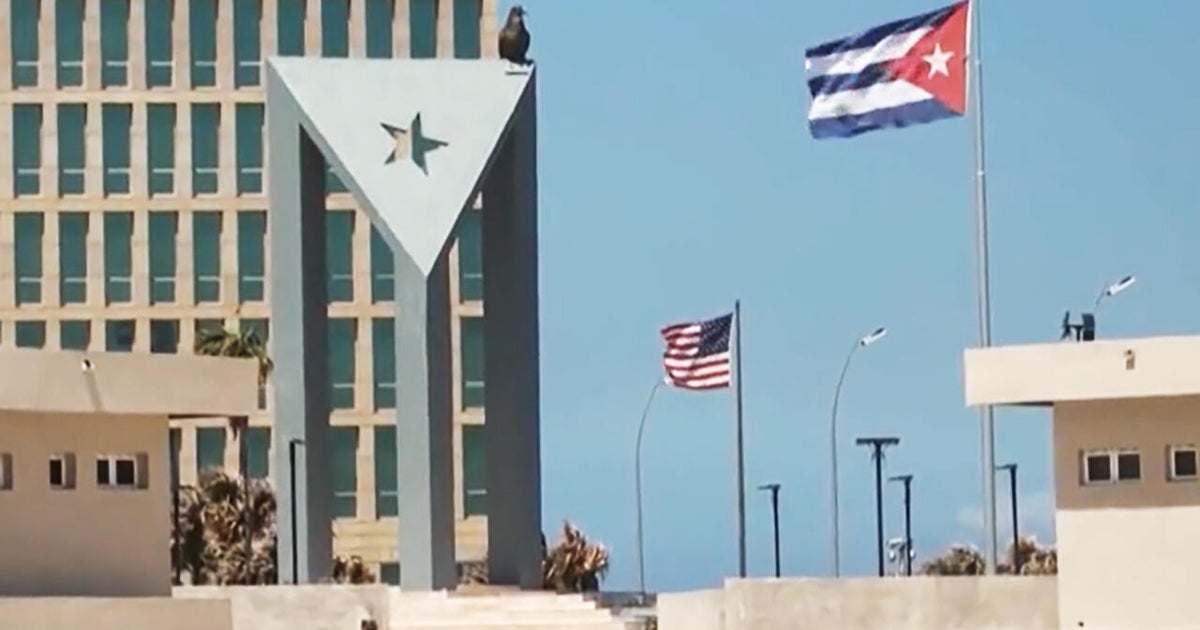
The conflict between America and Cuba spans more than a century. It started in 1895 when Cuban revolutionaries fought Spain for independence. The violent three-year war caught American attention because of economic interests in the region.
In 1898, the United States joined the Spanish-American War, which changed Cuba's future forever. The small island nation became a key focus of US foreign policy.
Decades later, armed conflict broke out again in July 1953. This time, rebels led by Fidel Castro fought against the Batista government. The US initially supported the existing government, selling $8.238 million worth of weapons to help stop Castro's rebellion.
Castro eventually won, creating a new source of tension. His communist government just 90 miles from American shores became a major concern for US leaders. The conflict outlasted Castro himself, who died in 2016.
Today, President Trump has talked about "taking Cuba," showing that this decades-old tension continues to shape American foreign policy decisions.
This tiny island nation has influenced major US decisions for generations, from military sales to trade policies. Understanding this history helps explain why Cuba remains a hot topic in American politics and foreign relations today.
Watch for new US policy announcements toward Cuba and any diplomatic developments between the two nations.
Was this article helpful?
0 people found this helpful