Ancient Moss Gets Spotlight at Washington's Bloedel Reserve Garden
CBS News featured the Moss Garden at Washington State's Bloedel Reserve, where dozens of moss species are displayed in a Japanese-inspired setting. The story highlights how these ancient plants have survived for more than 450 million years without flowers or vascular systems.
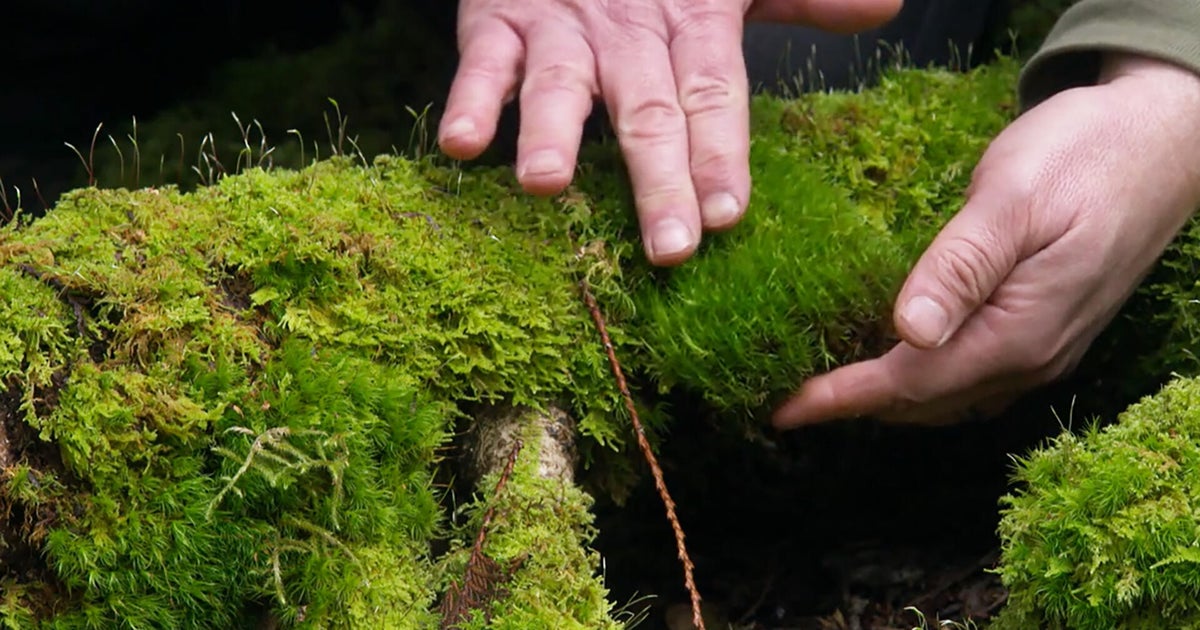
CBS correspondent Conor Knighton visited the Japanese-inspired Moss Garden at Washington State's Bloedel Reserve to explore the beauty of one of Earth's most ancient plants. Moss has survived for more than 450 million years through dramatic climate changes, despite having no flowers or vascular systems like other plants.
The Bloedel Reserve showcases dozens of moss species in a setting that reflects Japanese garden design principles. In Japanese aesthetics, moss represents the concept of wabi-sabi, which finds beauty in imperfection, impermanence, and incompleteness. The plants create a sense of antiquity and harmony, connecting rocks to earth and unifying garden compositions.
Floral designer Emily Thompson, who grew up in Vermont's Northeast Kingdom, describes moss as "fertile and delectable," with each piece forming "its own little realm." The velvety plants blanket forest floors and creep along rocks, creating some of nature's tiniest habitats.
Knighton also attended Lewis & Clark College's annual moss-focused event, though details about this gathering were not fully disclosed.
Moss gardens offer a low-maintenance landscaping option that thrives in wet climates like the Pacific Northwest. Understanding these resilient plants can help homeowners create beautiful, sustainable gardens that require less water and care than traditional lawns.
More gardens may adopt moss landscaping as interest grows in sustainable, low-maintenance plant options.
Was this article helpful?
0 people found this helpful