Antarctica's Hidden Gold and Silver Could Spark Global Mining Race as Ice Melts
A new study found that tens of thousands of square miles of Antarctica will lose their ice cover in coming decades, exposing huge deposits of gold, silver, copper, iron, platinum and cobalt beneath.
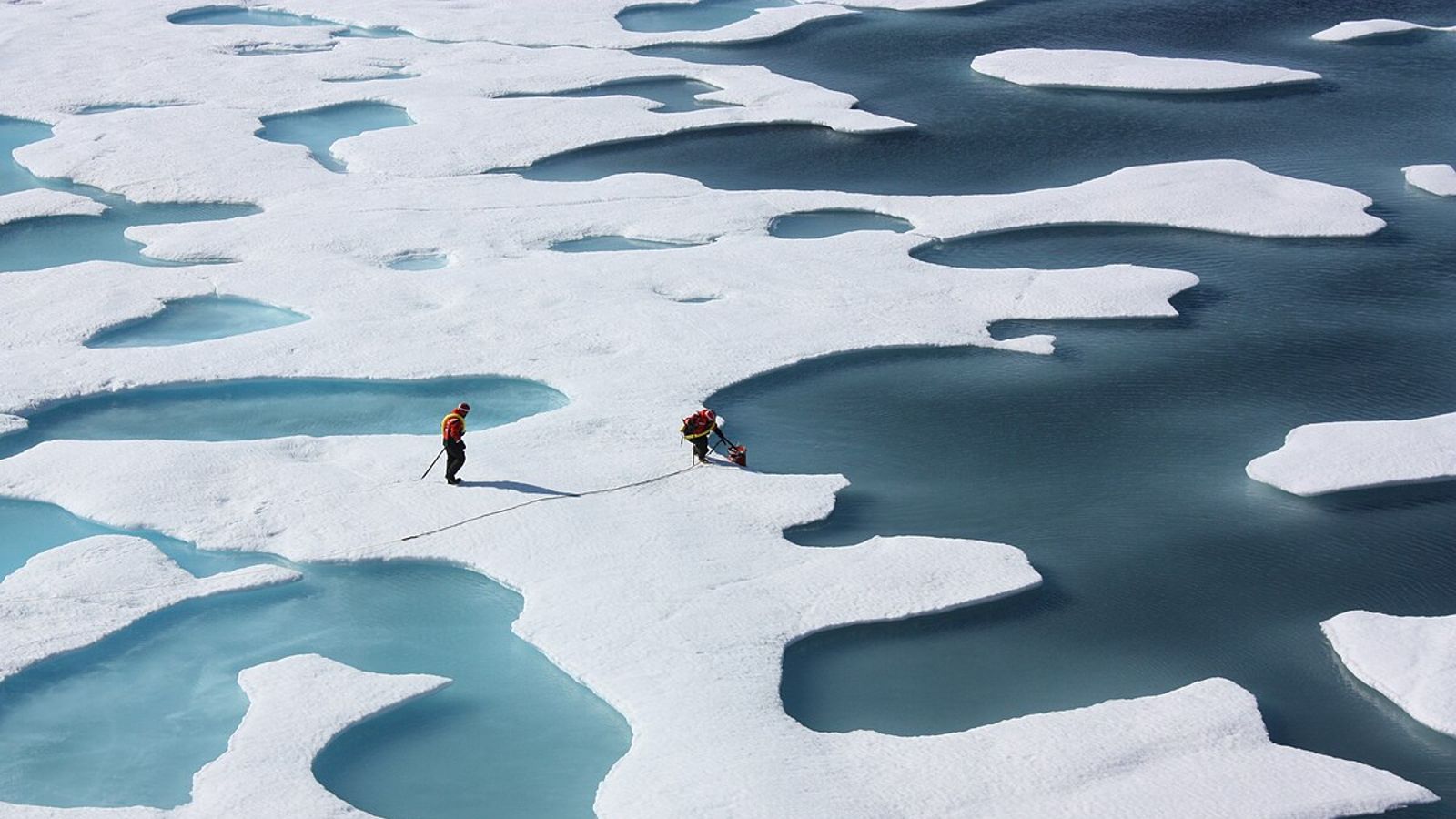
Scientists say climate change will expose vast mineral wealth in Antarctica over the next few centuries. The research team predicts that by 2300, ice-free areas will reveal known deposits of copper, gold, silver, iron, and platinum.
Right now, Antarctica is the only place on Earth where gold legally exists but cannot be claimed or sold. International law protects the continent from mining, even though the technology doesn't exist to dig through ice several kilometers thick.
But as the ice melts and the land rebounds upward, these restrictions could face new pressure. The exposed minerals include critical materials needed for manufacturing electronics, renewable energy systems, and other modern technologies.
The melting ice, rising seas, and rebounding land will completely change what resources are available on the continent. This could create tensions between countries as valuable deposits become more accessible.
Any attempt to mine Antarctica would violate current international treaties and could devastate the continent's fragile ecosystem.
These valuable metals are used in everything from smartphones to cars. If countries rush to mine Antarctica, it could destroy one of Earth's last untouched places and break international treaties that protect the continent.
Watch for debates about Antarctica mining laws as ice continues melting and mineral deposits become more visible.
Was this article helpful?
0 people found this helpful