Archaeology Becomes Political Weapon in West Bank Territory Disputes
Archaeological digs in the West Bank are being used by both Israelis and Palestinians to support their claims to disputed land. Over 7,000 known archaeological sites across the territory have become focal points in sovereignty battles.
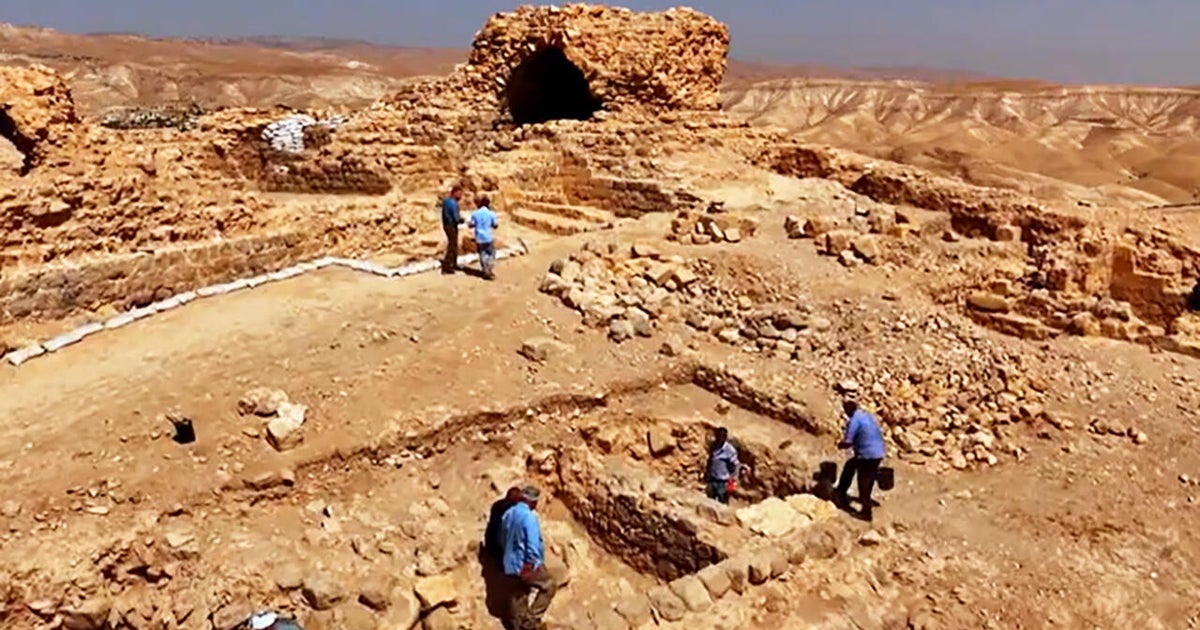
Archaeological excavations in the West Bank have transformed from academic research into political tools. Both Israeli and Palestinian groups use ancient artifacts and historical sites to strengthen their claims to disputed territories.
More than 7,000 archaeological sites dot the West Bank landscape. Each discovery can become evidence in modern territorial disputes. Israeli authorities often point to ancient Jewish sites as proof of historical connection to the land. Palestinians argue their own archaeological heritage shows continuous presence in the region.
Archaeologist Albert Glock noted that archaeology has been selectively used by both Christian and Jewish groups to reconstruct versions of Palestine that support their political goals. This selective interpretation provides justification for land occupation claims.
The Israeli Antiquities Department has authority to intervene at archaeological sites throughout West Bank villages. Critics worry this power allows archaeological preservation to become a cover for land control. When sites are declared historically significant, it can restrict how Palestinians use their property.
International law experts say this mixing of archaeology with territorial claims violates principles about cultural heritage protection. The practice turns scientific research into a weapon for political control.
This fight over ancient history affects who controls valuable land and resources today. When archaeology gets mixed with politics, it can justify taking land from current residents or erasing cultural heritage.
Watch for new archaeological regulations and how they affect West Bank land disputes.
Was this article helpful?
0 people found this helpful