Bank of England Chief Says Iran War Energy Shock Makes Interest Rate Decision Very Difficult
Bank of England governor Andrew Bailey told the BBC that the Iran war is creating a "very big energy shock" that makes the next interest rate decision "very, very difficult." Bailey said the central bank will not rush to raise rates despite the energy crisis.
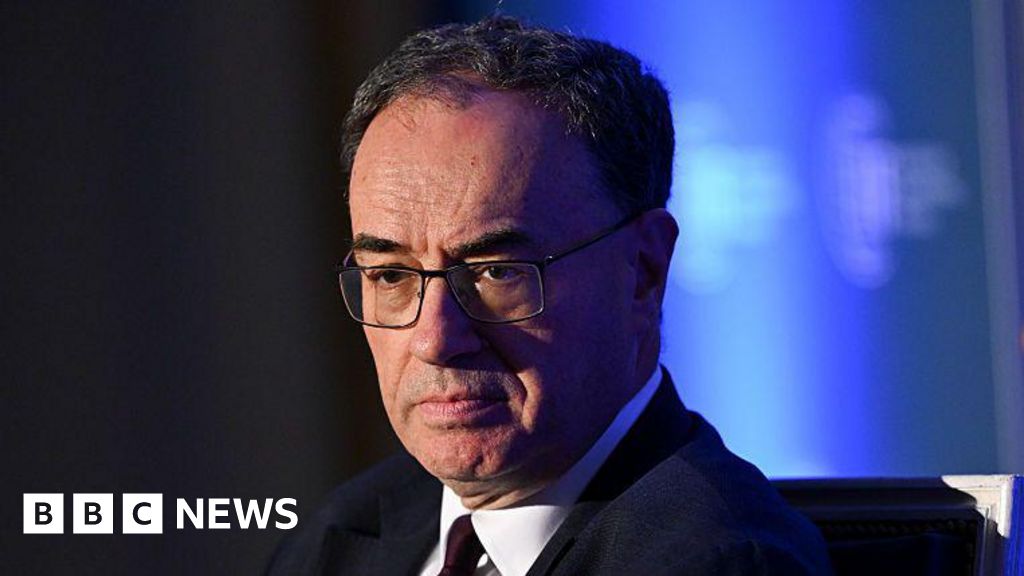
Bank of England governor Andrew Bailey warned that the Iran war is creating a major energy shock that complicates decisions about interest rates. He told the BBC the situation makes the next rate decision "very, very difficult."
Bailey said the UK's central bank will not rush to raise interest rates despite facing what he called a "very big energy shock." The bank typically raises rates when prices rise too quickly, but also considers the broader economic impact.
Energy companies are already warning about higher bills. British Gas executives said energy bill increases would be "inescapable" if current high prices continue. The Bank of England has warned that higher energy costs could lead to higher borrowing costs for homeowners.
The situation comes as 2.7 million workers are set to receive pay increases from minimum wage and living wage rises starting in April. This adds another factor the bank must weigh when setting interest rates.
Higher energy prices from the Iran conflict could push up your gas and electricity bills. Interest rate changes affect mortgage payments, credit card rates, and savings account returns for millions of people.
Watch for the Bank of England's next interest rate announcement and energy company bill adjustments in coming weeks.
Was this article helpful?
0 people found this helpful