Brain-Eating Amoeba Infections Get New Treatment Options as Cases Rise
Doctors are using new drugs and techniques to treat brain infections caused by Naegleria fowleri, a deadly amoeba found in warm freshwater. The infections are nearly always fatal, but treatments like amphotericin B and miltefosine are showing promise in improving survival rates.
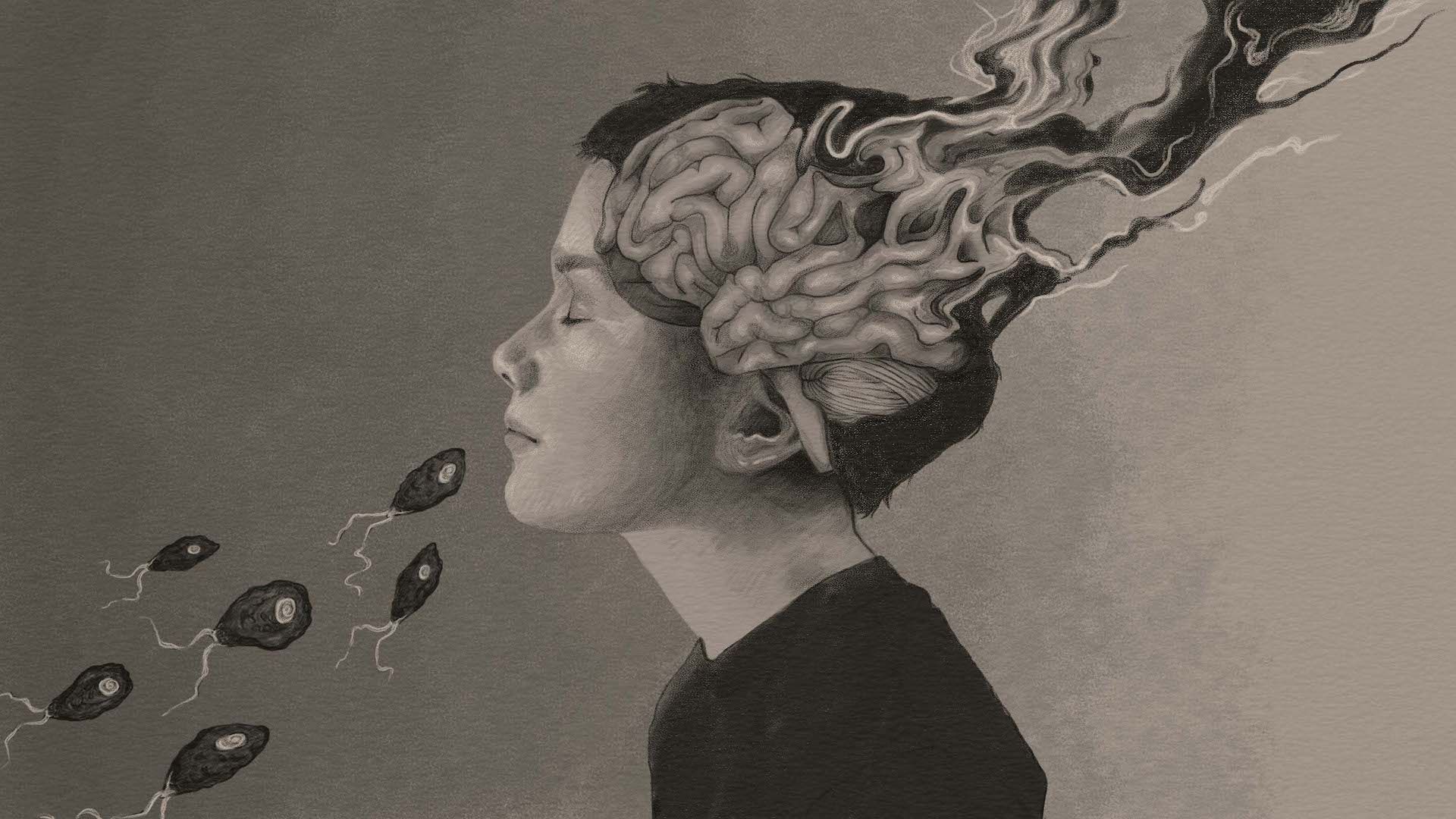
A rare but deadly brain infection is getting new hope through experimental treatments that could save lives.
Naegleria fowleri, commonly called the "brain-eating amoeba," lives in warm freshwater like lakes, rivers, and poorly maintained swimming pools. When contaminated water enters through the nose, the amoeba travels to the brain and causes a devastating infection.
The infections are extremely rare but kill nearly everyone who gets them, according to the CDC. Until recently, doctors had few options to fight the deadly parasite.
Now researchers are testing drug combinations including amphotericin B and miltefosine that show early promise in improving survival odds. The key is rapid diagnosis and starting treatment immediately, studies show.
Cases are becoming more common as global warming heats up freshwater bodies where the amoeba thrives. Poor sanitation and increased water recreation activities also contribute to rising infections.
The amoeba poses the biggest risk during summer months when people swim, dive, or do water sports in warm freshwater areas.
These brain infections happen when people swim or dive in warm lakes and rivers, letting contaminated water enter through the nose. As global warming heats up more water bodies, cases are rising, making better treatments crucial for swimmers and water sports enthusiasts.
More research on drug combinations and early diagnosis methods continues as warming temperatures may increase future cases.
Was this article helpful?
0 people found this helpful