Bullet Evidence Fails to Clear Tyler Robinson in Charlie Kirk Murder Case
A forensic report unsealed Wednesday failed to rule out Tyler Robinson as the killer of Charlie Kirk, contradicting earlier defense claims that bullet evidence cleared their client. The report deals a major blow to Robinson's defense team.
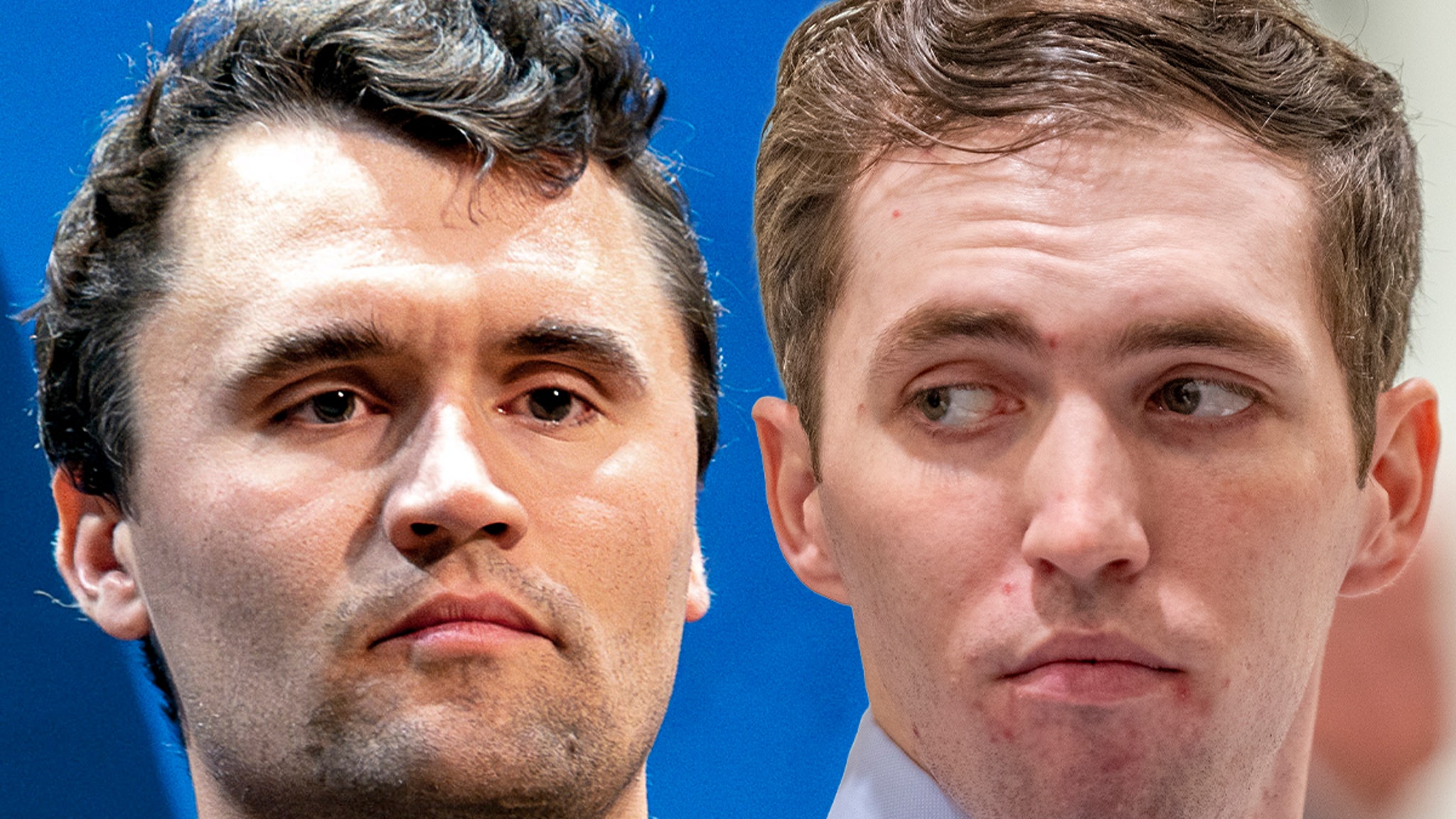
A forensic report unsealed Wednesday failed to rule out Tyler Robinson as the killer of Charlie Kirk, dealing what may be the biggest blow yet to Robinson's defense team.
The defense had previously claimed that an ATF summary report showed the agency "was unable to identify the bullet recovered at autopsy to the rifle allegedly tied to Mr. Robinson." This led to headlines in March suggesting the bullet evidence cleared Robinson.
However, the newly unsealed report tells a different story. The Bureau of Alcohol, Tobacco, Firearms and Explosives reportedly couldn't match bullet fragments from Kirk's autopsy to Robinson's alleged rifle, but this doesn't mean Robinson is cleared.
Forensic experts explain that "inconclusive" results don't prove innocence. When bullets fragment or get damaged, it becomes harder to match them to specific guns, but it doesn't rule out that gun as the murder weapon.
The conflicting interpretations show how the same forensic evidence can be spun differently by prosecution and defense teams in murder cases.
This case shows how bullet evidence can make or break murder trials. The conflicting reports highlight how forensic evidence gets interpreted differently by prosecutors and defense lawyers in high-profile cases.
The trial will proceed with this forensic evidence. Both sides will likely bring expert witnesses to explain what the bullet analysis means.
Was this article helpful?
0 people found this helpful