China's Economy Hit by Middle East Conflict After Surviving Trump Tariffs
China's economy is struggling with the Middle East conflict putting pressure on factory orders, shipping costs, and jobs. This comes after China managed to grow around 5% despite Trump's tariffs last year.
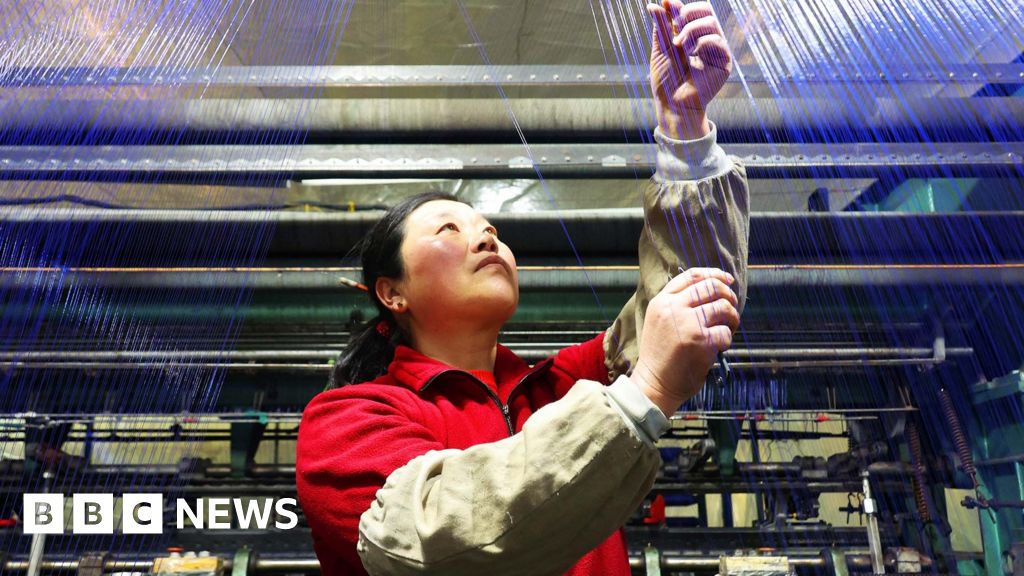
China's economy was already facing slower growth and unemployment when Trump's trade war hit with heavy tariffs. Despite the pressure, China proved tough, keeping exports flowing and reporting GDP growth of around 5%.
Now the Middle East conflict is creating new problems. The fighting is disrupting factory orders, raising shipping costs, and threatening jobs in China's export-heavy economy. Key shipping routes through the region carry goods to markets worldwide.
China never backed down during the tariff fight, holding onto what experts call its "trump card" - its massive manufacturing base. Iran similarly sees its control over the Strait of Hormuz shipping lane as crucial leverage.
A temporary truce reached in Geneva in May rolled tariffs back to 30% and paused some trade restrictions. But the 90-day agreement wasn't enough time to solve the deeper issues between the countries.
China makes many of the products Americans buy, so problems there could mean higher prices and shortages. The conflict is disrupting shipping routes that carry goods worldwide, affecting global supply chains.
Watch for updates on shipping disruptions through Middle East routes and any new trade negotiations between the US and China.
Was this article helpful?
0 people found this helpful