Dr. Paul Broca discovers speech center in brain after autopsy on patient 'Tan' in 1861
On April 18, 1861, French doctor Paul Broca performed an autopsy on a patient nicknamed 'Tan' who had lost the ability to speak. Broca found damage to a specific brain region and proved it controls spoken language.
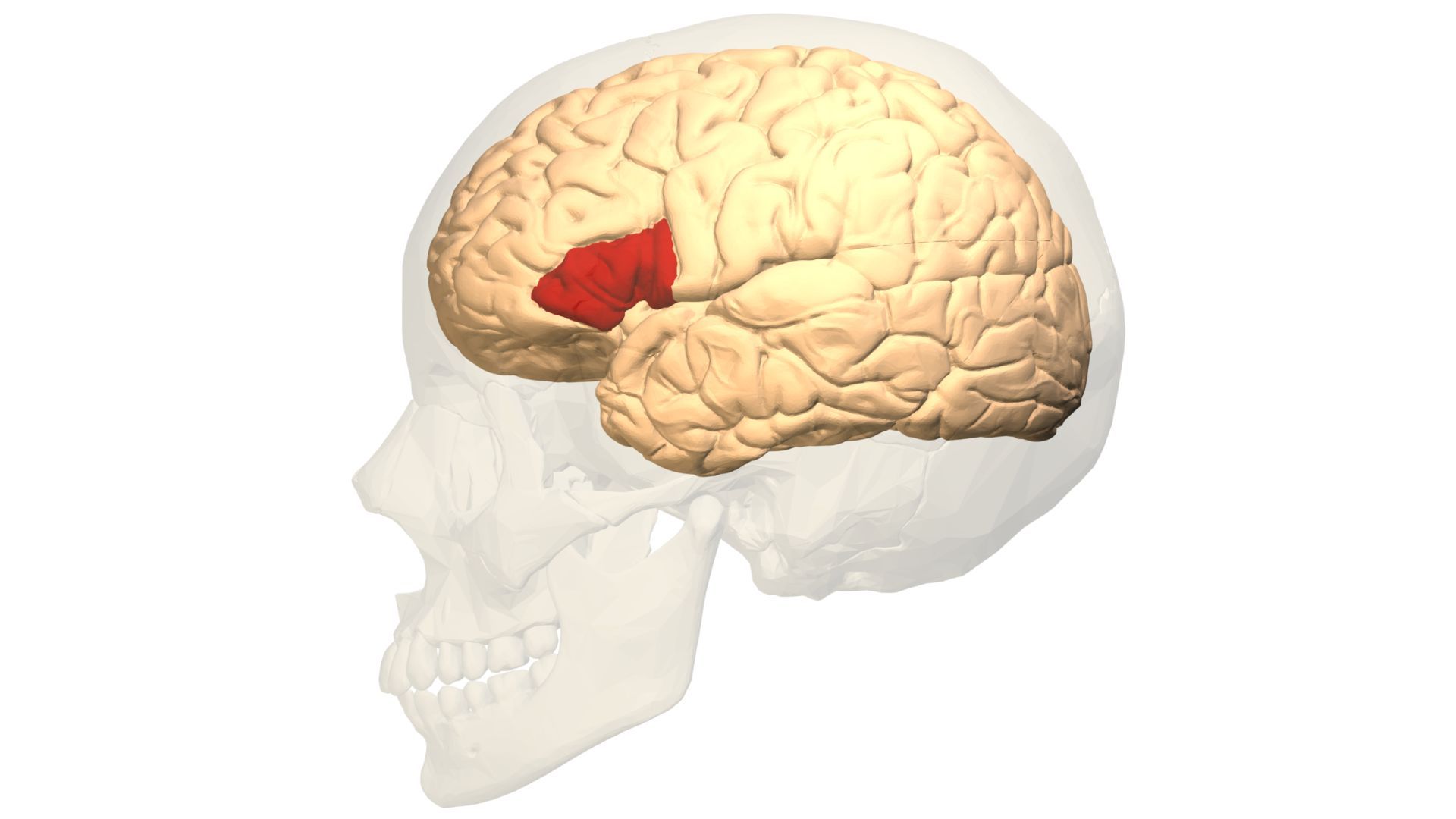
French surgeon Paul Broca made medical history on April 18, 1861, when he cut open the brain of a patient who couldn't speak and found the exact spot that controls language.
The patient, known only as 'Tan' because that's the only sound he could make, had lived for years unable to say words despite understanding everything around him. This condition is called aphasia.
When Tan died, Broca examined his brain and found serious damage to the left frontal lobe. Broca realized this area must control speech since Tan could think normally but couldn't talk.
Before this discovery, most scientists thought the brain worked as one unit. Broca proved different brain regions have different jobs - a breakthrough that launched modern neuroscience.
Other doctors had done similar experiments on living patients, pressing tools against exposed brain tissue during surgery. When they pressed the frontal lobes, patients stopped talking but stayed awake and aware.
Today, the brain region Broca found is called 'Broca's area.' Doctors use this knowledge to help stroke victims and others who lose speech, knowing exactly where the problem likely sits in the brain.
This discovery launched modern brain science and helps doctors today treat stroke patients and others who lose speech. It proved different parts of the brain control different abilities, changing how we understand the mind.
Broca's discovery continues to guide modern brain research and treatment for speech disorders.
Was this article helpful?
0 people found this helpful