Giant 19-meter octopus ruled oceans 100 million years ago, fossils reveal
Scientists found fossil evidence of giant octopuses that measured up to 62 feet long and ruled the oceans 100 million years ago during the age of dinosaurs. These massive sea creatures were among the top predators in ancient waters.
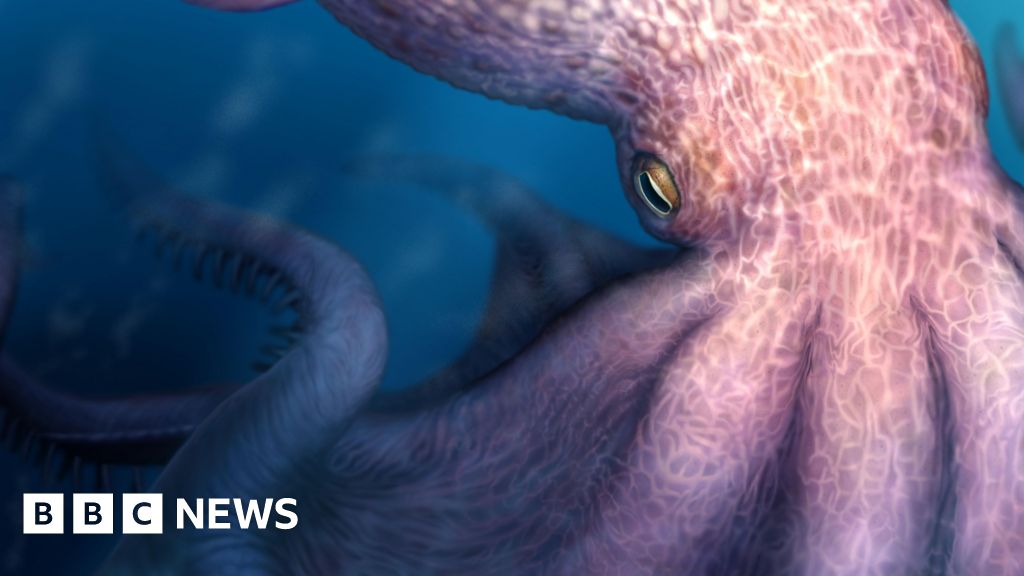
Giant octopuses measuring up to 62 feet in length were the ocean's top predators 100 million years ago, according to new fossil evidence hidden within solid rock. These massive creatures prowled ancient seas during the Cretaceous period when dinosaurs dominated land.
The discovery reveals a hidden chapter in ocean history. While scientists have long known about large marine reptiles from this era, these octopus fossils show that soft-bodied animals could also reach enormous sizes and become apex predators.
Finding octopus fossils is extremely rare because their soft bodies usually decay before turning into stone. The fact that these specimens survived gives scientists a rare glimpse into ancient ocean food chains.
This research suggests that the prehistoric seas were even more diverse and dangerous than previously thought, with giant cephalopods competing alongside massive marine reptiles for control of ancient waters.
This discovery changes what we know about who controlled the seas when dinosaurs walked the Earth. It shows that soft-bodied creatures like octopuses could become massive apex predators, not just the marine reptiles we usually think of from that time.
Scientists will study more fossil sites to find additional evidence of these giant ancient octopuses.
Was this article helpful?
0 people found this helpful