Housing Crisis Worsens as Federal and Local Governments Block New Construction
America's housing crisis is getting worse as federal lawmakers remain gridlocked and local governments use restrictive zoning laws that make it nearly impossible to build new homes. The country now faces a shortage of 2-5 million homes.
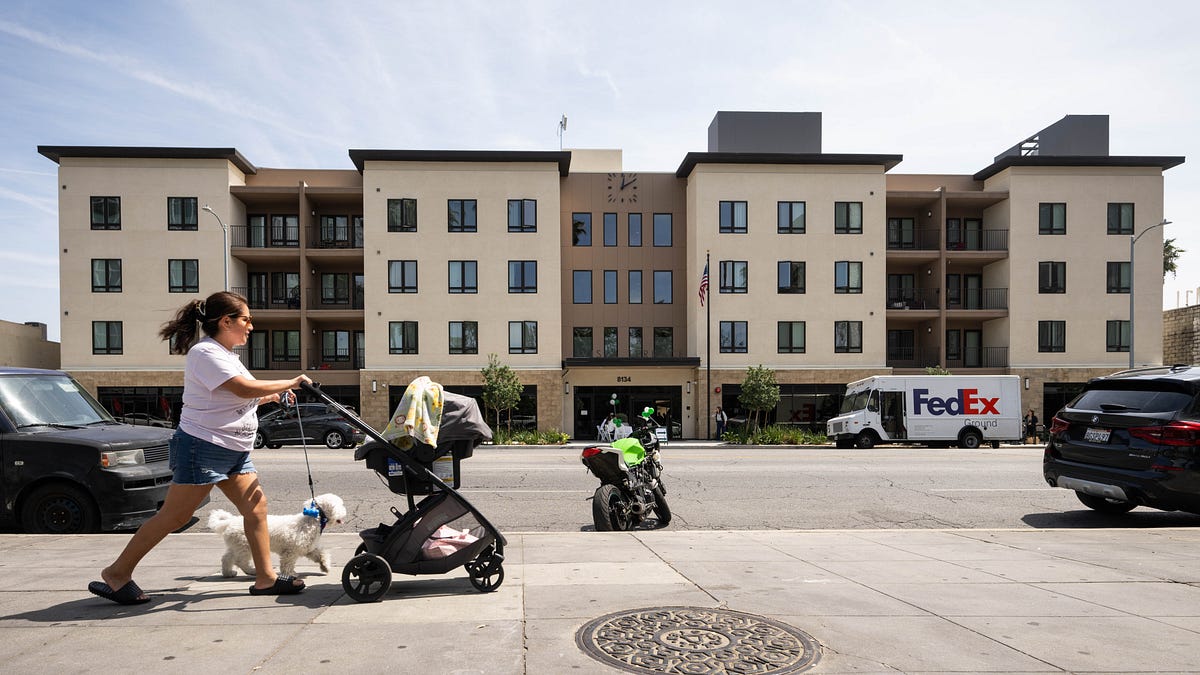
America is short 2-5 million homes after decades of not building enough housing to meet demand. The shortage stems from two main problems: federal lawmakers can't agree on housing policy, and local governments use zoning laws that block new construction.
Many cities and towns have zoning rules that ban apartment buildings in most areas or require houses to sit on large lots. These laws make it challenging or nearly impossible to build the types of homes people actually need and can afford.
The crisis affects renters and buyers at every income level. Housing policies often overestimate what people can afford, focus on building the wrong types of homes, and exclude many borrowers from getting loans.
Political leaders across the country are starting to recognize the problem. States and cities are beginning to tackle overly restrictive zoning laws, but progress remains slow while people continue scrambling to find housing they can afford.
This shortage drives up rent and home prices for everyone. When cities ban apartment buildings or require huge lots for houses, fewer homes get built and housing becomes more expensive for families trying to buy or rent.
Watch for local zoning reform efforts and federal housing policy debates as the shortage continues affecting millions of Americans.
Was this article helpful?
0 people found this helpful