Hurricane Helene Debris Fuels Georgia Wildfires Over Year Later
Wildfires burning across southern Georgia and northern Florida this week are being fueled by fallen trees and branches left behind by Hurricane Helene over a year ago. The dried-out debris is combining with severe drought, hot temperatures, and windy conditions to feed the blazes.
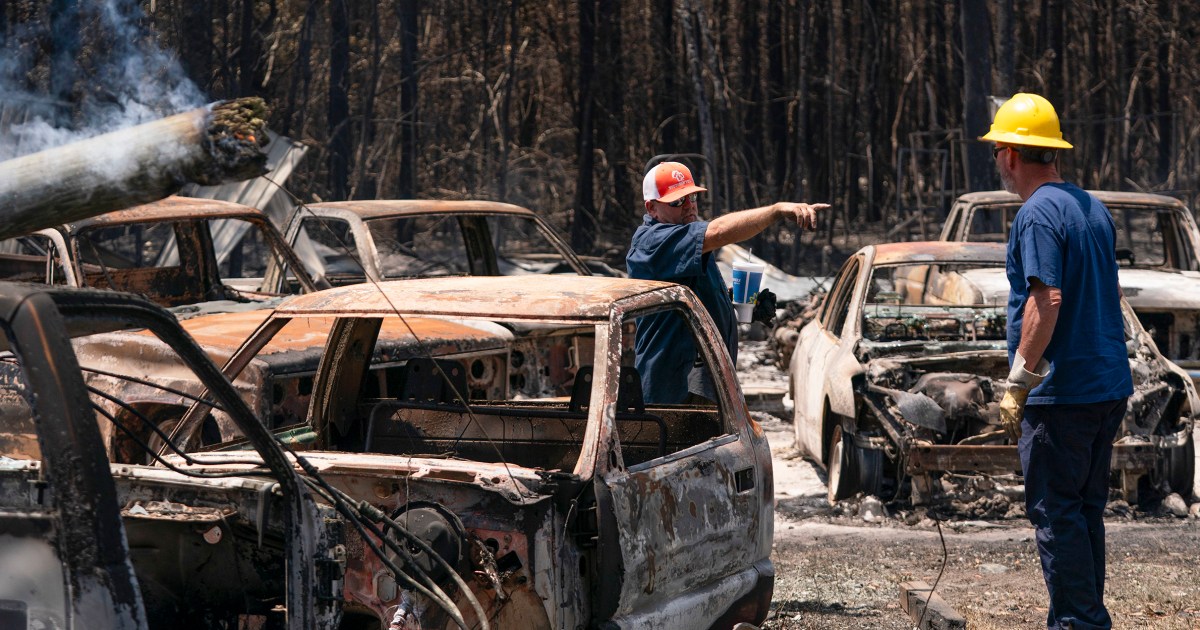
Destructive wildfires tearing through southern Georgia and northern Florida are getting an unexpected boost from Hurricane Helene debris scattered across the region well over a year ago.
The fallen trees and limbs left behind by the hurricane have dried out and are now acting as kindling for the current fires. This debris is combining with a persistent drought, hot temperatures, and windy conditions to create perfect wildfire conditions.
The fires are particularly intense in areas around Nahunta, Georgia, where hurricane damage was extensive. Climate experts say this creates a dangerous cycle where one type of natural disaster sets up conditions for another.
The combination of factors shows how past storms can have lasting impacts on fire risk, especially when followed by extended dry periods. Emergency crews are working to contain the blazes as they spread through both hurricane-damaged areas and drought-stressed vegetation.
This shows how natural disasters can create long-lasting fire risks that threaten homes and communities years later. It also demonstrates how climate change creates a dangerous cycle where hurricanes leave behind fuel for future wildfires during drought periods.
Fire crews continue battling the blazes while monitoring weather conditions that could either help or worsen the situation.
Was this article helpful?
0 people found this helpful