Inflation Jumps to 3.3% in March After Iran War Oil Shock
US prices rose 3.3% in March compared to a year earlier, jumping from 2.4% the month before. This marks the highest inflation rate in two years, driven by an oil shock after the US and Israel launched a joint attack on Iran.
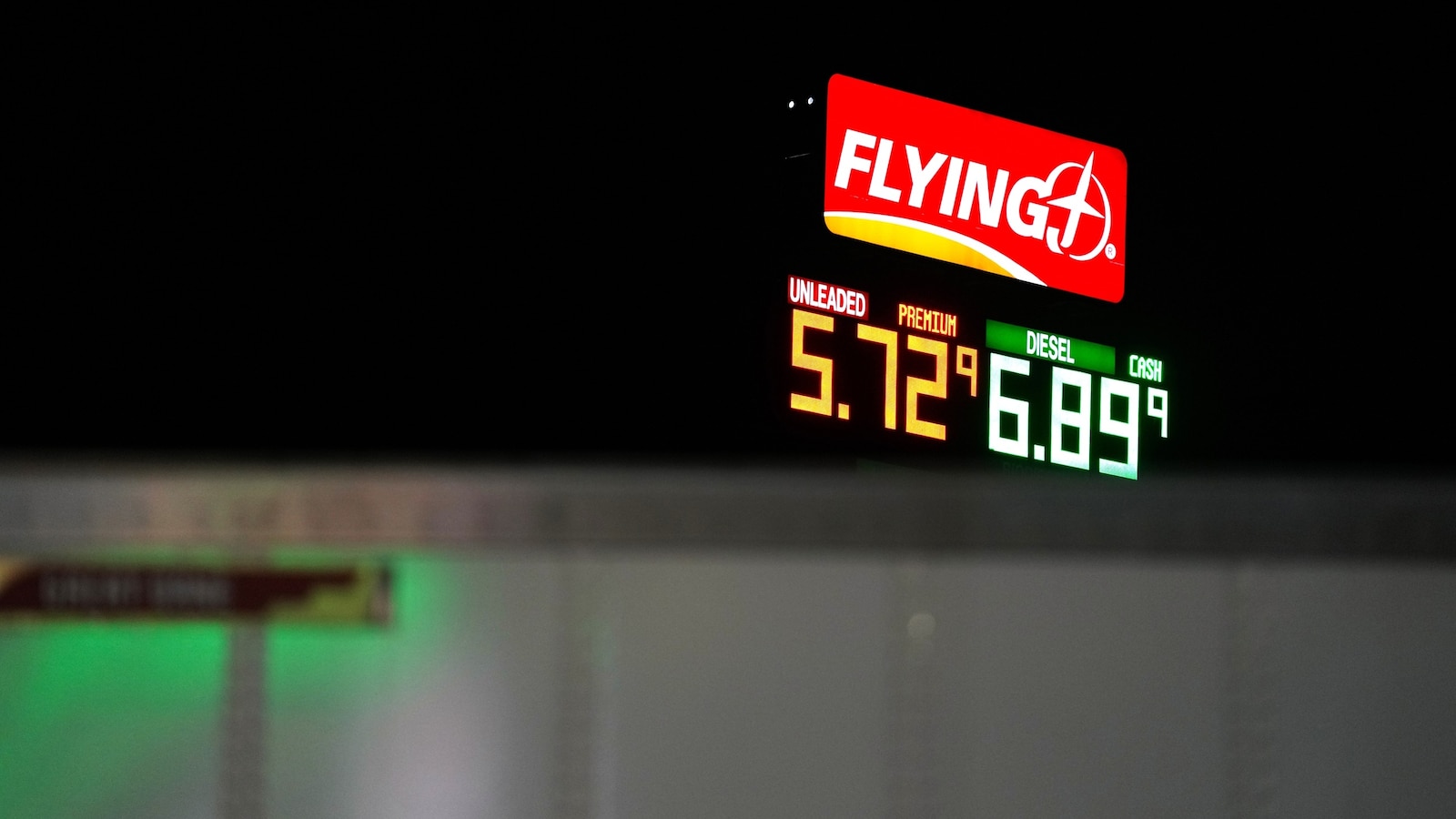
US inflation surged to 3.3% in March, up sharply from 2.4% in February, according to new data from the Bureau of Labor Statistics released Friday. The jump represents the highest annual inflation rate in two years.
The spike was largely driven by oil price increases after military action involving the United States and Israel against Iran. Crude oil prices surged during the conflict, creating one of the largest oil shocks in decades.
Energy prices typically flow through to other parts of the economy quickly. When oil costs more, transportation and shipping become more expensive, pushing up prices for food, goods, and services across the board.
The inflation surge comes as the Federal Reserve has been trying to bring price increases down to its 2% target. Higher inflation could force the Fed to keep interest rates elevated longer than expected, affecting mortgage rates and business borrowing costs.
Higher inflation means everyday items cost more at the store and gas station. This spike could delay Federal Reserve plans to cut interest rates, keeping borrowing costs high for homes, cars, and credit cards.
Watch for April inflation data next month to see if the oil price spike continues affecting consumer prices.
Was this article helpful?
0 people found this helpful