Iran Maintains Control Over Strait of Hormuz Despite US Ceasefire
Iran continues to control shipping traffic through the Strait of Hormuz despite reaching a ceasefire agreement with the United States. The narrow waterway remains under Iranian influence as maritime analysts track vessel movements.
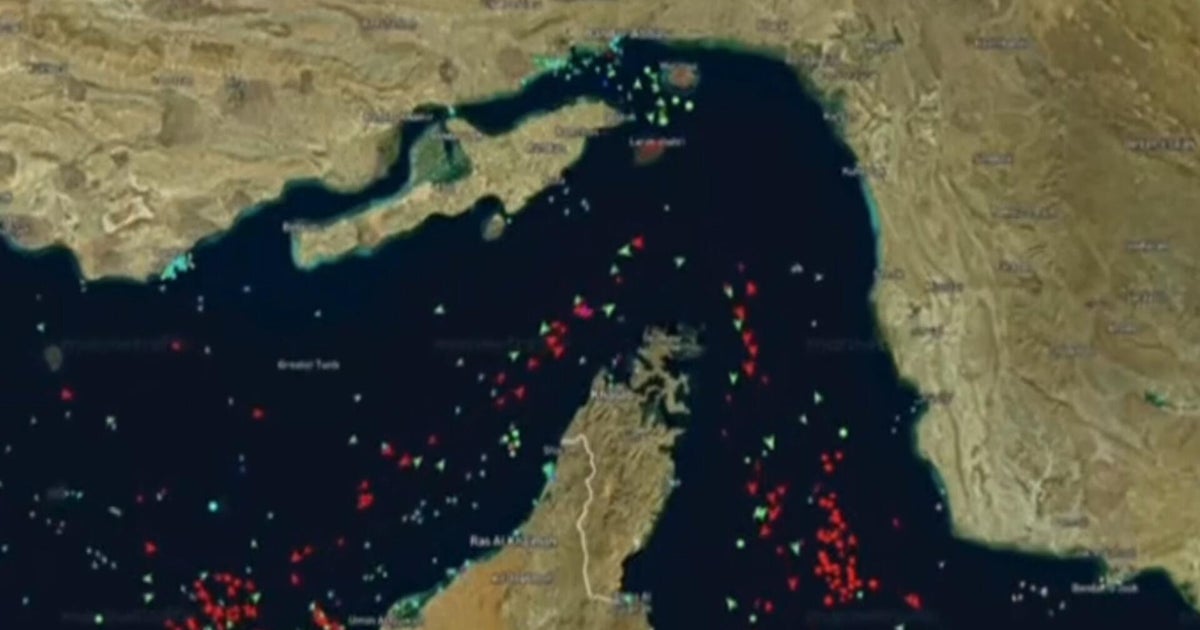
Iran maintains its grip on the Strait of Hormuz, the world's most important oil shipping lane, even after agreeing to a ceasefire with the United States. Matt Smith, an analyst with shipping data firm Kpler, discussed the ongoing situation in a recent CBS News interview.
The Strait of Hormuz is a 21-mile-wide waterway between Iran and Oman that serves as the only sea route from the Persian Gulf. About one-fifth of global oil shipments pass through this narrow channel daily, making it one of the world's most strategic chokepoints.
Real-time tracking systems show continued vessel traffic through the strait, but Iran's influence over the waterway remains significant. The country has previously threatened to block the passage during regional tensions, which would severely impact global energy markets.
Shipping analysts use live monitoring tools to track vessel movements, oil prices, and potential disruptions in the area. These systems provide hourly updates on ship transit counts and any vessels that may be stranded or delayed.
The Strait of Hormuz is a critical shipping lane where about 20% of the world's oil passes through daily. Any disruption here can drive up gas prices and affect global trade, making shipping costs higher for everyday goods.
Monitor ongoing shipping traffic data and any new Iranian actions that could affect vessel movements through the strait.
Was this article helpful?
0 people found this helpful