Israel-Lebanon Ceasefire Extended 3 Weeks Despite Ongoing Fighting
President Trump announced a three-week extension of the Israel-Lebanon ceasefire on Friday, but fighting between Israeli forces and Hezbollah continued anyway. Israeli forces killed six Hezbollah fighters in southern Lebanon's Bint Jbeil area.
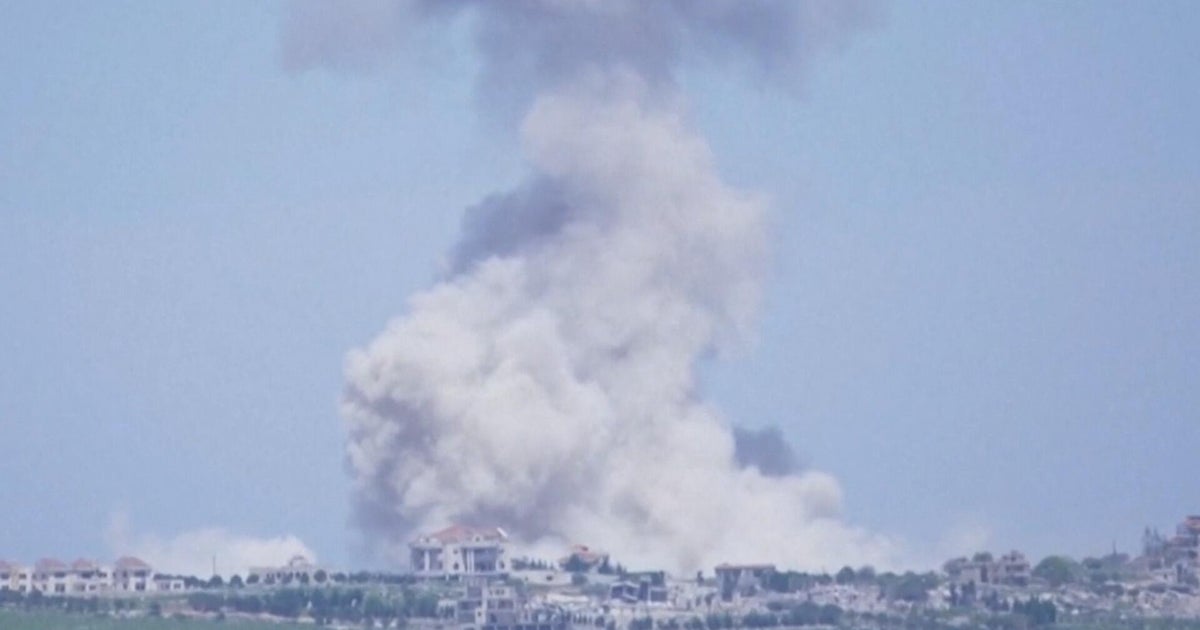
President Trump announced a three-week extension of the Israel-Lebanon ceasefire on Friday, but the announcement did little to stop the violence on the ground. Israeli forces and Hezbollah fighters clashed in southern Lebanon, with Israeli troops killing six Hezbollah fighters in the Bint Jbeil area.
Israeli leaders say their troops will stay in a zone that extends about six miles into Lebanese territory indefinitely. They won't let Lebanese residents return to their homes until they believe Hezbollah no longer threatens Israeli communities near the border.
The ceasefire was supposed to stop the fighting between Israel and the Iranian-backed Hezbollah group. But both sides have continued firing shots despite the official truce. The violence highlights how difficult it is to maintain peace agreements in the region, even with backing from major world powers.
The extended ceasefire gives diplomats more time to work out a longer-term solution, but the continued fighting shows both sides remain ready for battle.
The ongoing violence shows how fragile Middle East peace deals can be, even when world leaders try to stop the fighting. Continued conflict could lead to higher oil prices and more regional instability that affects global markets.
Watch for more diplomatic efforts to strengthen the ceasefire and whether violence escalates before the three-week extension ends.
Was this article helpful?
0 people found this helpful