Japan Creates New Weather Term 'Kokushobi' for Days Over 40°C After Record Hot Summer
Japan's weather agency created a new term called 'kokushobi' for days when temperatures hit 40°C (104°F) or higher. The word means 'cruelly hot' and comes after Japan recorded its hottest summer ever.
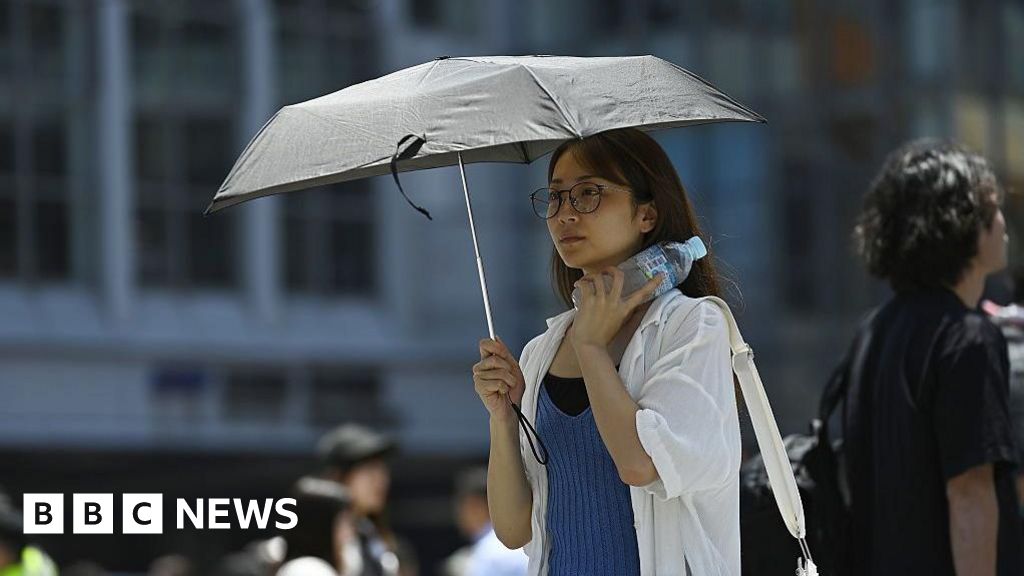
Japan's Meteorological Agency officially added 'kokushobi' to its weather forecast vocabulary, marking temperatures of 40°C (104°F) and above as 'cruelly hot.' The agency announced the new term on April 17.
The decision came after Japan experienced its hottest summer on record, with extreme heat becoming increasingly frequent across the region. The agency needed stronger language to communicate the severity of dangerous temperatures to the public.
Japan already had terms for hot weather, but nothing specifically for the brutal heat above 40°C that has become more common. The new classification helps weather forecasters give clearer warnings about potentially deadly conditions.
Extreme heat poses serious health risks, especially for elderly people and those with medical conditions. By creating a specific term for the most dangerous temperatures, Japan aims to help people better understand when they need to take extra precautions like staying indoors or seeking air conditioning.
Extreme heat kills more people than hurricanes or tornadoes, and Japan needed new language to warn citizens about dangerous temperatures. As climate change makes deadly heat waves more common worldwide, other countries may follow Japan's lead in updating their weather warnings.
Watch for Japan to use the new term in upcoming summer weather forecasts as temperatures rise.
Was this article helpful?
0 people found this helpful