Japan Loosens Arms Export Rules, Breaking With Post-WWII Pacifism
Japan announced Tuesday it will allow more weapons sales to other countries, breaking with pacifist policies put in place after World War II. The change lets Japan sell arms to more than a dozen nations.
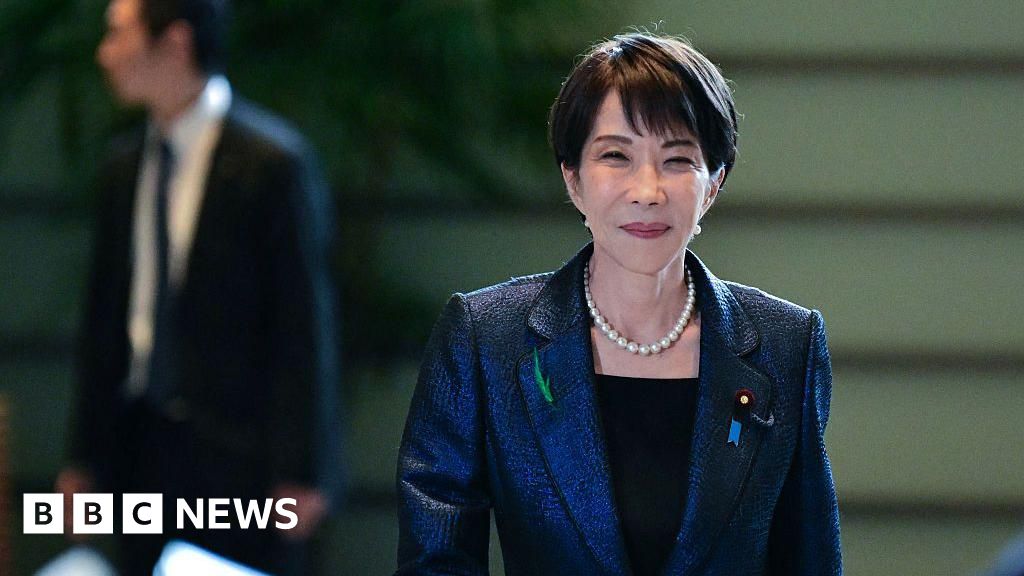
Japan's government announced Tuesday it will loosen long-standing rules that banned most weapons exports, marking the biggest shift from pacifist policies since World War II ended.
The new rules clear the way for Japan to sell weapons to more than a dozen countries. This reverses decades of policy that kept Japan out of the global arms trade.
The change comes as Japan faces growing security threats from China and a rapidly changing global order. Japanese leaders want to strengthen the country's defense industry and build closer ties with military partners like NATO countries.
The move represents another major step away from the pacifist principles that shaped Japan's security policy after its defeat in World War II. Japan has been gradually loosening these restrictions in recent years as regional tensions have grown.
The policy change aims to boost Japan's domestic weapons industry, which has been limited by export restrictions. It also allows Japan to play a bigger role in supporting allies with military equipment.
This marks a huge shift for Japan, which has avoided military exports for decades. The move shows how worried Japan is about China's growing military power and signals a major change in how the country sees its role in global conflicts.
Japan will begin identifying which countries can buy its weapons and what types of arms it will sell.
Was this article helpful?
0 people found this helpful