Maine Lawmakers Approve First US Moratorium on New Data Centers
Maine lawmakers approved the nation's first statewide moratorium on new data centers this week. The ban would halt construction until 2027 as concerns grow about the massive energy and water needs of AI facilities.
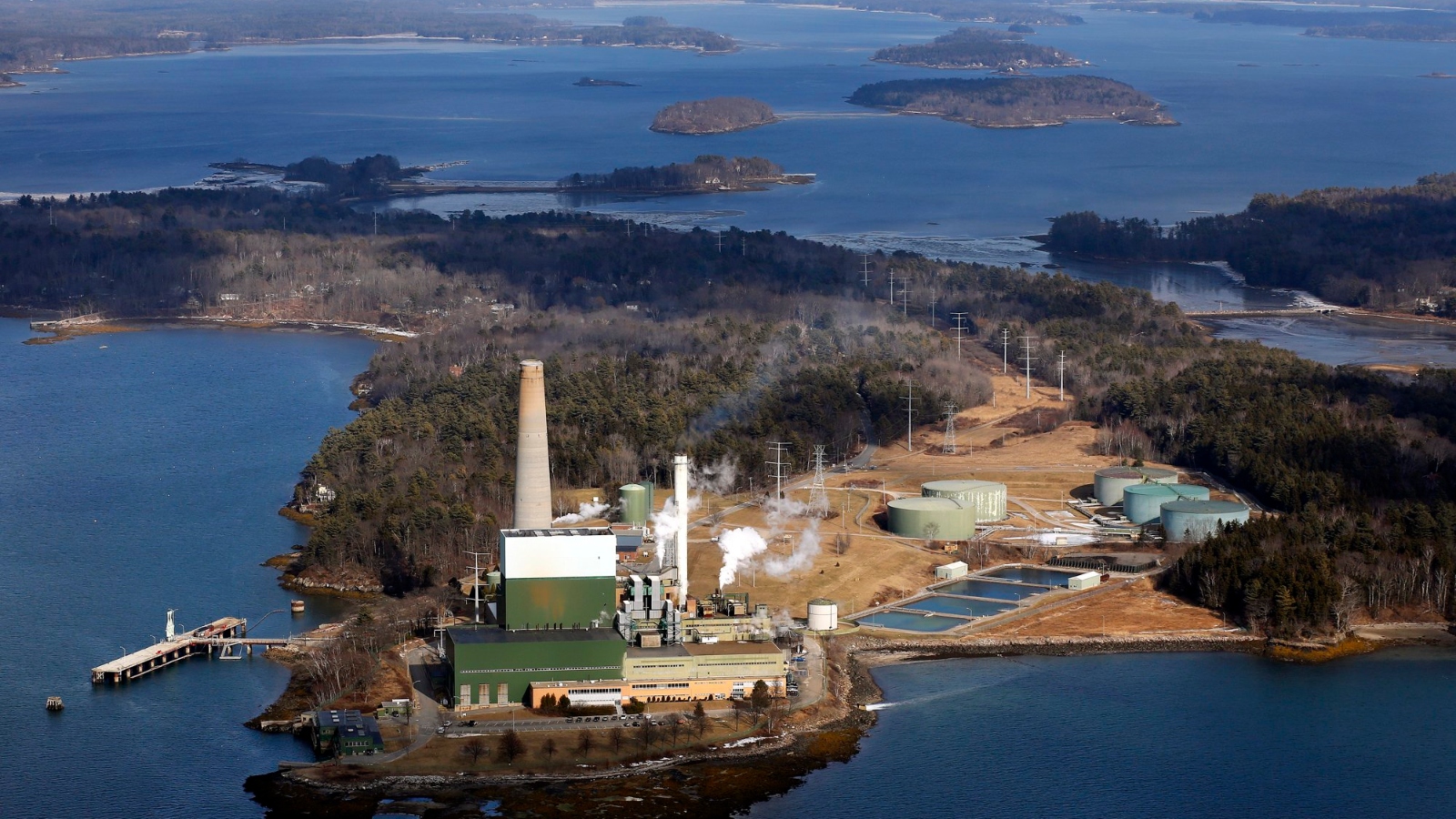
Maine lawmakers this week passed a groundbreaking moratorium on new data centers, becoming the first state to approve such sweeping legislation. The ban would prevent construction of large data facilities until 2027.
The move comes as artificial intelligence companies are rapidly building massive data centers across the country. These facilities house thousands of computer servers that require enormous amounts of electricity to run and water to keep cool.
Maine joins about a dozen other states grappling with similar concerns about data center growth. Eleven other states have introduced proposals to pause or restrict data center construction, though none have passed legislative chambers yet.
The surge in AI development has created intense competition for energy resources. Data centers can consume as much electricity as small cities and often strain local power grids during peak usage periods.
Lawmakers cited worries about rising energy costs for residents and environmental impacts as key reasons for the pause. The moratorium gives the state time to study the long-term effects before allowing new projects.
Data centers that power AI and cloud services can drive up electricity costs for everyone in the area. They also use huge amounts of water for cooling and can strain local power grids during peak demand.
The bill awaits the governor's signature. Other states with pending data center proposals will likely watch Maine's approach.
Was this article helpful?
0 people found this helpful