Manchester vs Birmingham: Which English City Claims Second Place?
Manchester and Birmingham have argued for decades over which city deserves the unofficial title of England's "second city" after London. The debate has divided residents of both cities, known as Mancunians and Brummies, along with local politicians.
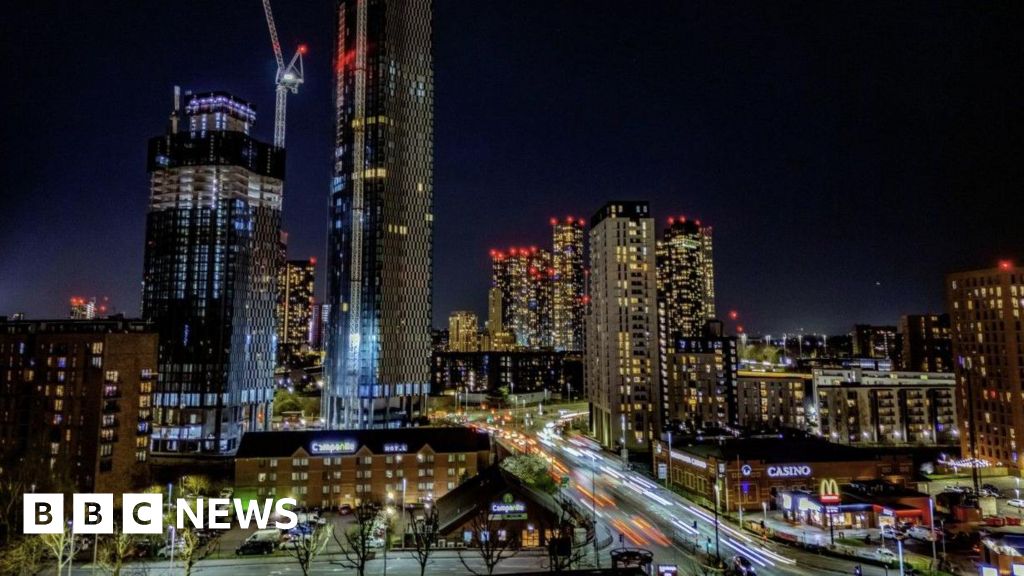
Manchester and Birmingham have waged a friendly but fierce battle for decades over which deserves recognition as England's second most important city after London.
The numbers tell a complex story. Birmingham's city center has over one million people, twice Manchester's population. But Greater Manchester's metro area houses 2.6 million people compared to Birmingham's 2.44 million.
Politicians have weighed in on both sides. In 2007, MP Phil Woolas called Manchester "Britain's third city." But recently, Solihull MP Julian Knight admitted that "people see Manchester as England's second city" while arguing Birmingham is "bigger, more diverse and frankly more" important.
Many see Manchester as having more economic influence and cultural impact. Supporters point to its role as a major business hub where many companies locate their headquarters. The city's global recognition often outweighs Birmingham's despite the population difference.
The debate reflects deeper questions about what makes a city important beyond just size - economic power, cultural influence, and international recognition all play a role.
This rivalry affects how cities get government funding, business investment, and national attention. The "second city" label brings prestige and can influence where companies choose to locate offices and create jobs.
The informal rivalry will likely continue as both cities compete for investment and recognition.
Was this article helpful?
0 people found this helpful