Middle East Ceasefire Talks Continue as Israel-Iran Peace Remains Fragile
A ceasefire between Israel and Iran is moving forward, but the peace deal remains shaky. Pakistan plans to host talks on Friday to make the ceasefire more permanent, though the White House has not confirmed it will attend.
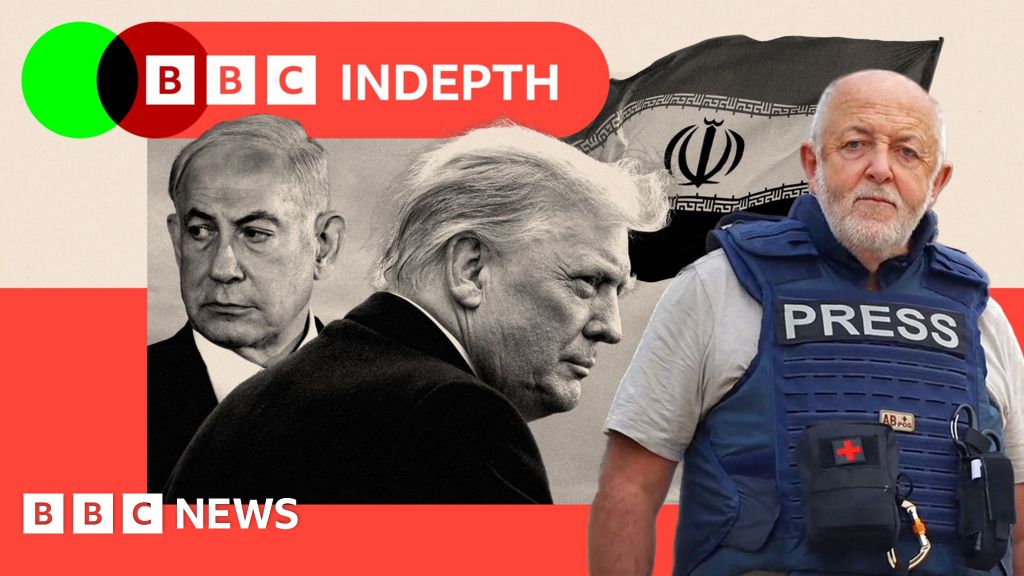
Israel and Iran have agreed to a ceasefire, but both sides still have major disagreements about long-term peace. Pakistan is set to host talks on Friday aimed at turning the temporary ceasefire into a lasting agreement.
The White House has not yet confirmed whether the U.S. will participate in Friday's talks. Spain's foreign minister said Wednesday that while major escalation has been avoided, the ceasefire is not yet final.
British Prime Minister Keir Starmer called the ceasefire progress a moment of relief for the region and the world as he prepared to travel to the Middle East. However, Israeli Prime Minister Netanyahu's original war goals remain unmet.
Lebanon is not included in the current ceasefire agreement. White House press secretary Karoline Leavitt said Wednesday that Lebanon's situation will continue to be discussed by the U.S., Israel and other parties involved.
Both Israel and Iran have reasons to end the fighting, but they share little common ground on what peace should look like long-term.
This conflict affects global oil prices and could spark a wider war that draws in the U.S. and other allies. A lasting peace could lower gas prices and reduce the chance of American troops being deployed to the region.
Watch for Pakistan's Friday peace talks and whether the U.S. confirms attendance. Monitor if the fragile ceasefire holds.
Was this article helpful?
0 people found this helpful