NASA Artemis II Astronauts Return to Earth After Historic Moon Mission
Four NASA astronauts returned to Earth Friday evening, splashing down in the Pacific Ocean near San Diego at 8:07 p.m. ET after completing the first human mission around the moon since 1972. The Artemis II crew spent nine and a half days in space.
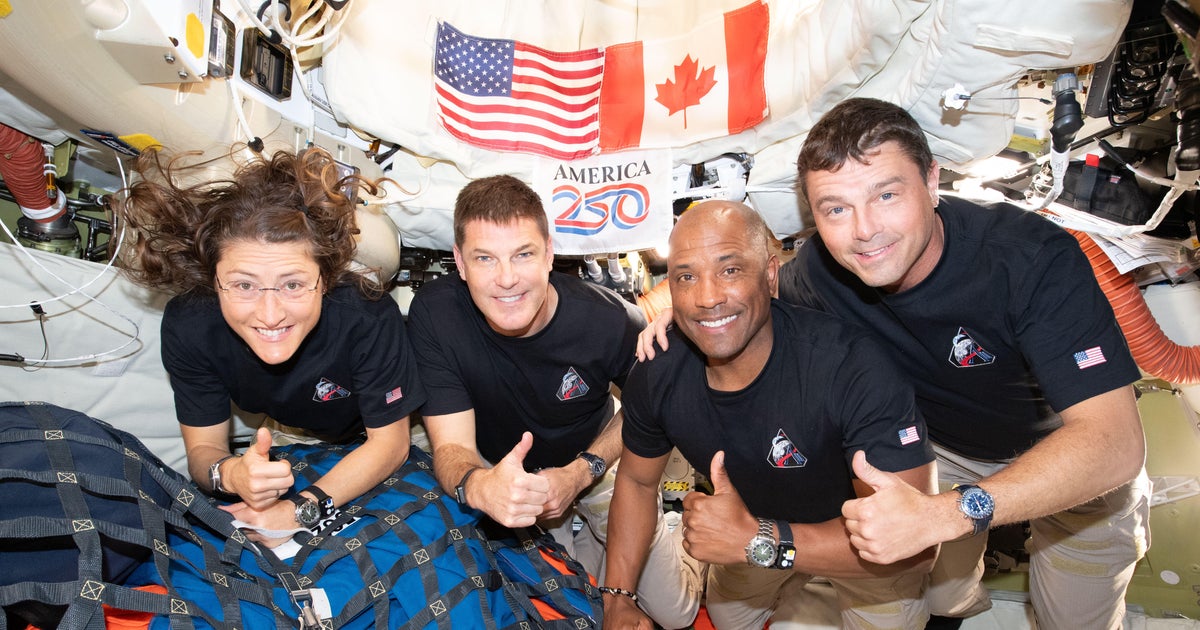
The four-person Artemis II crew successfully returned to Earth Friday evening, marking the end of NASA's first crewed moon mission in over five decades. The spacecraft splashed down in the Pacific Ocean off the coast of San Diego, California at 8:07 p.m. ET.
The historic mission lasted nine and a half days and sent humans around the moon for the first time since the Apollo 17 mission in December 1972. The crew made a high-speed reentry through Earth's atmosphere before deploying parachutes for their ocean landing.
Artemis II represents a major milestone in NASA's plan to return humans to the lunar surface. Unlike the Apollo missions of the 1960s and 70s, this program aims to establish a long-term presence on the moon and eventually send astronauts to Mars.
The mission tested NASA's new Orion spacecraft and Space Launch System rocket with a human crew for the first time. The successful return proves the technology can safely transport people to deep space and back.
This marks America's return to moon exploration after more than 50 years, setting the stage for future missions that could land humans on the moon again. The success proves NASA's new spacecraft can safely carry people to deep space.
NASA will analyze mission data and prepare for Artemis III, which aims to land astronauts on the moon's surface.
Was this article helpful?
0 people found this helpful