NASA Shuts Down Voyager 1 Instrument to Save Power After 47 Years
NASA engineers shut down an instrument on Voyager 1 on April 17 to save power on the 47-year-old spacecraft. They turned off the Low-energy Charged Particles experiment, which studies space radiation.
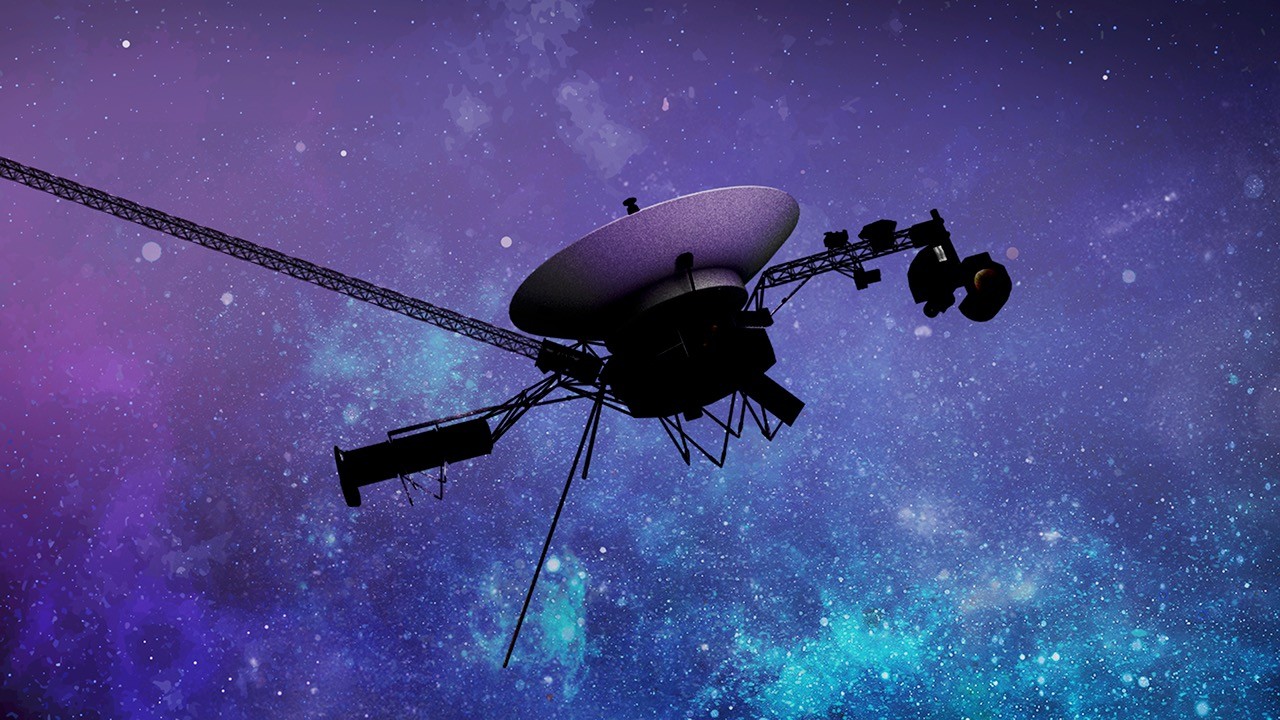
On April 17, engineers at NASA's Jet Propulsion Laboratory in Southern California sent commands to shut down an instrument aboard Voyager 1 called the Low-energy Charged Particles experiment, or LECP.
The decision comes as Voyager 1 faces power constraints after nearly five decades in space. Launched in 1977, the spacecraft has traveled farther from Earth than any human-made object, currently operating in interstellar space beyond our solar system.
The LECP instrument was designed to study charged particles and radiation in space. While losing this capability reduces the spacecraft's scientific output, the shutdown frees up precious power for other critical systems.
Voyager 1 has been making headlines recently after engineers successfully restored communications following technical problems. The spacecraft continues to send valuable data about the space between stars, information that no other mission can provide.
NASA has been gradually shutting down instruments on both Voyager 1 and its twin, Voyager 2, as their power sources naturally decay over time. The spacecraft use radioisotope thermoelectric generators that lose about 4 watts of power each year.
Voyager 1 is humanity's farthest-reaching spacecraft and our only source of data from interstellar space. As it ages, NASA must make tough choices about which instruments to keep running to extend its historic mission as long as possible.
NASA will continue monitoring Voyager 1 and may need to shut down more instruments in coming years to keep the mission alive.
Was this article helpful?
0 people found this helpful