Scientists Discover New Soccer Ball Design Could Cut Head Injury Risk by 20%
Scientists found that soccer balls create dangerous pressure waves in players' brains when heading the ball. New research shows simple changes to ball design and air pressure could reduce head injury risk by about 20%.
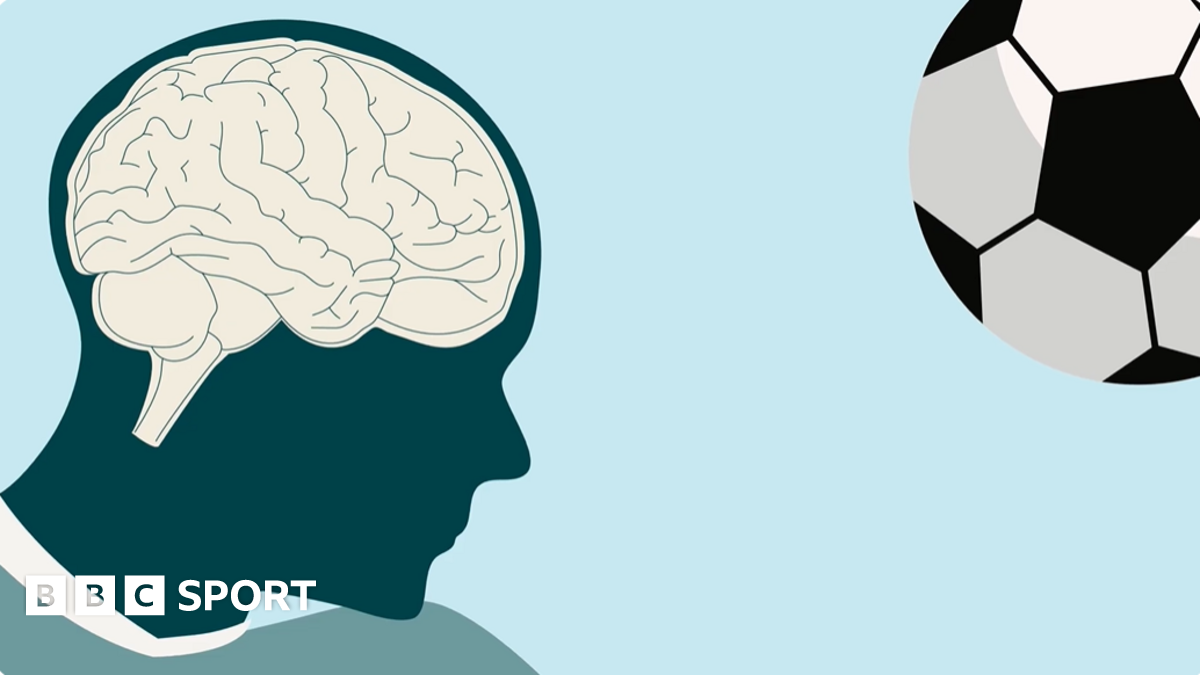
Scientists made a breakthrough discovery about soccer head injuries. When players head the ball, it creates pressure waves that transfer energy directly to the brain. This effect was never reported before.
Researchers found simple fixes could make the sport safer. Lowering ball air pressure to the minimum levels allowed by FIFA and NCAA rules cuts injury forces by about 20%. The balls would still meet official standards but cause less brain impact.
The study looked at how different ball designs affect players' heads. Balls with machine stitching versus cloth strips showed different impact levels. Even small changes in how balls are made can affect player safety.
This research matters because heading is a core part of soccer. Players head the ball multiple times per game, and young athletes do it thousands of times during practice. The pressure wave discovery explains why some players develop brain problems even from routine headers.
Soccer governing bodies like FIFA set rules for ball pressure and design. The new findings give them scientific data to make equipment safer without changing how the game is played.
Millions of soccer players regularly head the ball during games and practice. This discovery could lead to safer equipment that protects players from brain injuries while keeping the sport unchanged.
Researchers will likely test more ball designs and pressure levels to find the safest options.
Was this article helpful?
0 people found this helpful