South Korea Plans 100 Gigawatts of Solar Power by 2030 Amid Iran Crisis
South Korea announced plans to build 100 gigawatts of renewable energy capacity by 2030, with the Iran war adding urgency to reduce dependence on Middle East oil. The country is focusing heavily on solar power and nuclear energy as part of its energy independence strategy.
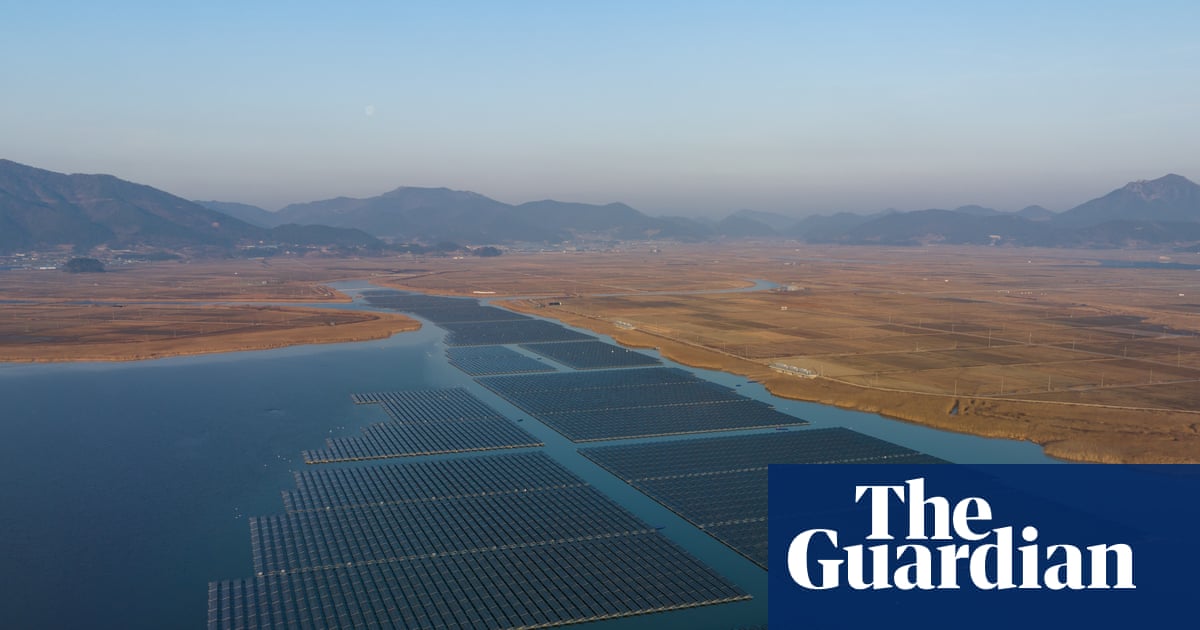
South Korea announced an ambitious energy transition roadmap targeting 100 gigawatts of renewable capacity by 2030, with the ongoing Iran war accelerating those plans. The Middle East conflict has created political urgency and increased funding to transform the country's solar industry in particular.
The energy crisis has pushed South Korea to find new pathways for what officials call "autonomous" energy solutions. Solar, wind, and biomass already account for an increasing share of the country's domestic energy consumption, but the government wants to dramatically expand this capacity.
In the farming village of Guyang-ri, about 90 minutes southeast of Seoul, residents already see the benefits. The village's one-megawatt solar installation generates roughly 10 million won ($6,800) annually, which funds free communal lunches for the 70 households six days a week.
South Korea has been proactive in promoting renewable energy to meet its electric power generation needs, but the Iran war is stress-testing the country's energy model. The conflict has highlighted how dependent South Korea remains on Middle East energy supplies, making the renewable transition a national security priority.
Energy prices could rise if Middle East conflicts disrupt oil supplies, making countries like South Korea more vulnerable. This renewable energy push could help stabilize electricity costs and reduce pollution from fossil fuels.
Watch for South Korea's renewable energy construction timeline and whether other Asian countries follow similar energy independence strategies.
Was this article helpful?
0 people found this helpful