Southport Attack Could Have Been Prevented, Inquiry Finds Five Key Failures
An official inquiry found the deadly Southport attack could have been prevented if authorities and the killer's parents had acted faster. The report identified five major failures by agencies and family members in managing the risk posed by the attacker.
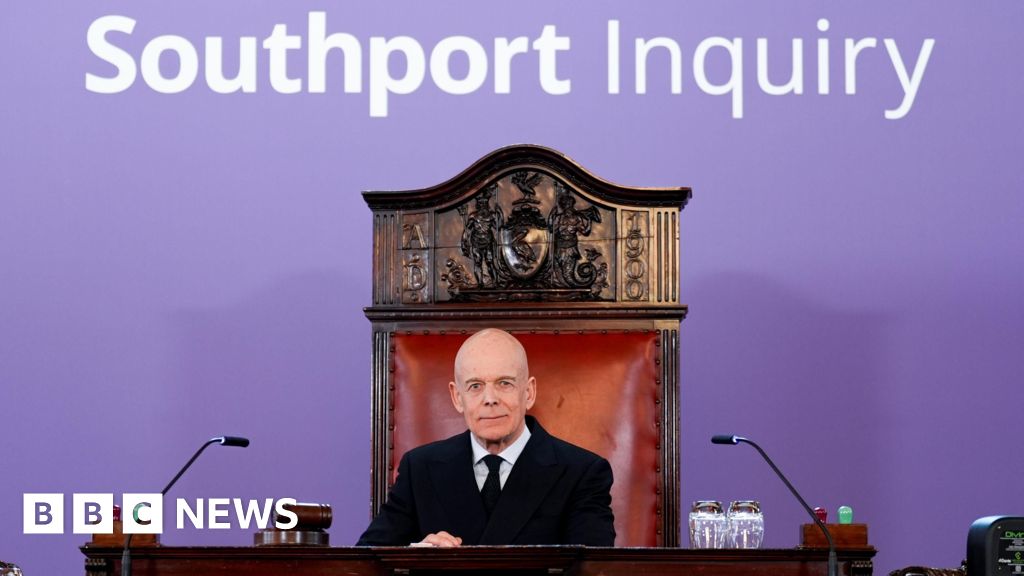
Sir Adrian Fulford, who led the inquiry into the Southport attack, said the tragedy could have been stopped if authorities and the killer's parents had responded more quickly to warning signs.
The report spans two volumes and hundreds of pages. It identifies five major systemic failures that allowed the attack to happen.
The first failure was that no single agency or group of agencies took responsibility for assessing and managing the serious risk the attacker posed. This meant nobody was fully in charge of monitoring the situation.
Other failures included poor sharing of information between agencies and excusing the attacker's behavior instead of taking it seriously. The inquiry also found agencies missed clear signs of his violent interests.
The fifth key finding was significant failures by the killer's parents to stop what the report calls a "monster" from carrying out the attack.
The attacker, identified as Rudakubana, had shown warning signs that authorities and family should have acted on much sooner, according to the inquiry.
This shows how warning signs can be missed when agencies don't work together and parents don't take action. The findings could lead to changes in how authorities handle people who pose violent risks to keep communities safer.
The report's recommendations could lead to changes in how agencies work together to monitor violent risks.
Was this article helpful?
0 people found this helpful