Trump Administration Moves to Open 60 Million Acres of Protected Forests to Logging and Mining
The Trump administration is moving to eliminate the Roadless Rule, a policy that protects nearly 60 million acres of undeveloped public forests from logging and mining. The Forest Service wants to rescind protections that have kept these pristine areas off-limits to extractive industries for decades.
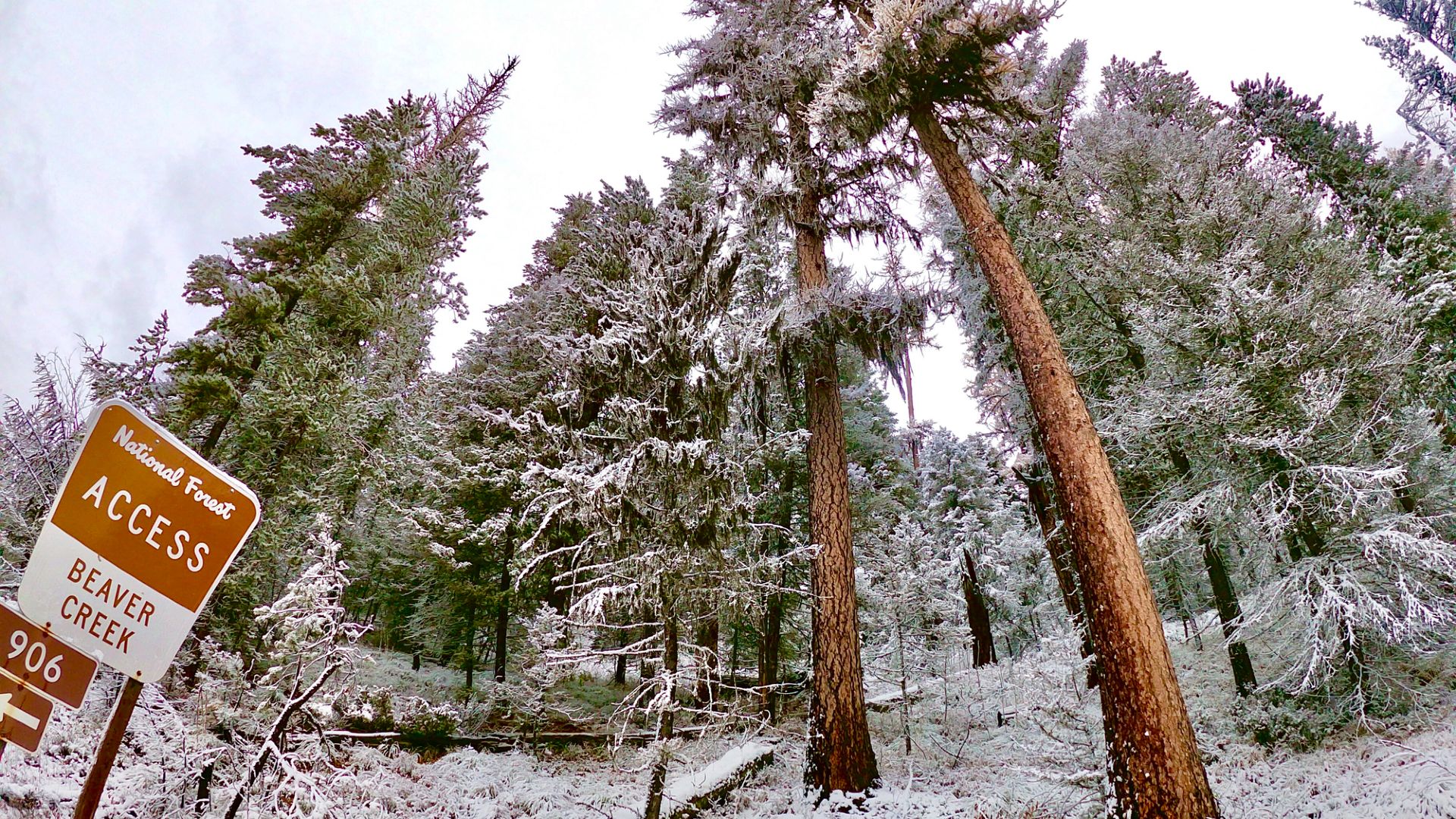
The U.S. Forest Service is preparing to rescind the Roadless Rule, which has protected nearly 60 million acres of undeveloped public forests from commercial logging and mining operations.
The policy change would open pristine forest areas to extractive industries, including timber companies seeking to expand logging operations. While previous fights over the roadless rule focused mainly on Western states, this rollback could significantly impact the last remaining undeveloped forests in the eastern United States.
The move is part of a broader Trump administration effort to expand logging operations and reshape the Forest Service, the nation's second-largest land management agency. Last month, the administration shut down 57 of the 77 research stations the Forest Service operated nationwide, many of which studied climate change impacts.
"The Trump administration now wants to throw these forest protections overboard so the timber industry can make huge money from unrestrained logging," said Drew Caputo, Earthjustice's vice president of litigation for lands, wildlife and oceans.
The Roadless Rule has protected these unparalleled landscapes for years, preventing the fragmentation of some of America's most pristine forest ecosystems.
These protected forests include some of the last untouched wilderness areas on the East Coast. Opening them to logging and mining could permanently change these landscapes and affect clean water, wildlife habitat, and outdoor recreation areas that millions of Americans use.
Environmental groups are expected to challenge the rule change in court. The administration will likely face legal battles over the policy rollback.
Was this article helpful?
0 people found this helpful