UAE Quits OPEC After 60 Years Over Oil Production Limits
The United Arab Emirates said it is quitting OPEC and OPEC+ after nearly 60 years as a member. The oil-rich nation complained that the group's quotas unfairly limited how much oil it could sell to other countries.
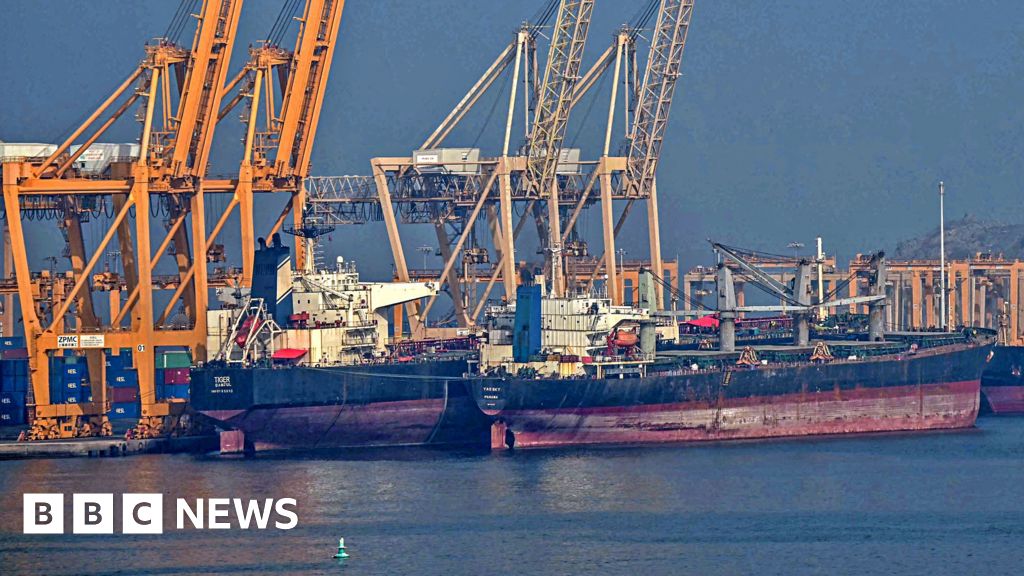
The United Arab Emirates announced Tuesday it will leave OPEC and OPEC+ after being a member for nearly 60 years. The decision ends the Gulf nation's long membership in the oil cartel that controls global energy prices.
The UAE said the move reflects its "long-term strategic and economic vision and evolving energy profile." Officials have repeatedly complained that OPEC's production quotas unfairly limited the country's oil exports compared to other members.
OPEC is a group of oil-producing countries that work together to control how much oil gets sold worldwide. By limiting supply, they can keep prices higher. OPEC+ includes additional countries like Russia.
The announcement comes amid regional tensions from an ongoing conflict involving Iran, another OPEC member. The UAE said it reviewed its production policy and capacity before deciding that leaving was in its national interest.
The move allows the UAE to pump and sell as much oil as it wants without following OPEC rules. This could add more oil to global markets and potentially lower energy prices for consumers worldwide.
OPEC controls about 40% of the world's oil supply, so when a major member leaves, it can affect gas prices at the pump. The UAE's exit could lead to more oil on the market and potentially lower energy costs for consumers.
Watch for OPEC's response and whether other members consider similar moves. Oil prices may fluctuate as markets react.
Was this article helpful?
0 people found this helpful