UK Government Borrowing Hits Three-Year Low But Iran War May Drive Costs Up
UK government borrowing dropped to its lowest level in three years. The government borrowed 2.6% of GDP in the year ending March 2026, down 0.9 percentage points from the previous year.
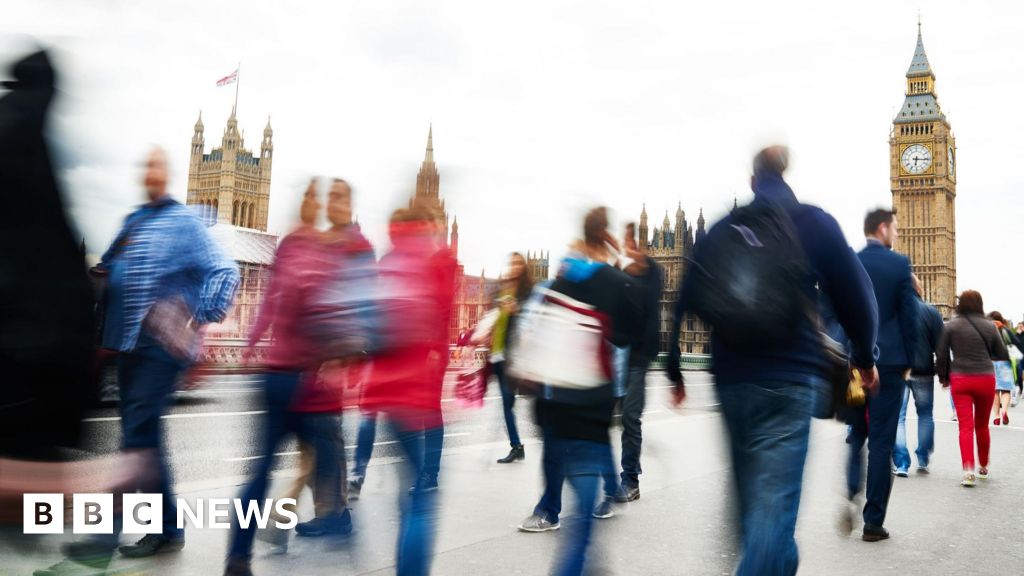
The UK government's annual borrowing fell to 2.6% of GDP in the year ending March 2026, marking the lowest level since before the Covid pandemic in 2020. The improvement represents a 0.9 percentage point drop from the previous year.
But analysts warn this good news won't last. The ongoing Iran war is already driving up fuel costs across the UK, with oil prices climbing and inflation rising again after months of decline.
The conflict is hitting the UK economy in multiple ways. Fuel prices are jumping as global oil markets react to Middle East tensions. The service sector is seeing its biggest cost increases in years, with businesses struggling to absorb higher energy bills.
The government may soon face pressure to increase spending on defense, economic support for struggling businesses, or direct help for families hit by rising prices. All of this would push borrowing back up just as it was improving.
Lower government borrowing usually means less debt and potentially lower taxes. But the Iran war is already pushing up fuel prices, which could force the government to borrow more money and spend more on everything from defense to economic support.
Watch for next month's inflation and borrowing figures to show the Iran war's full economic impact.
Was this article helpful?
0 people found this helpful