Venus Fly Traps Disappearing From Carolina Wild Due to Habitat Loss
Venus fly traps are disappearing from their only natural home in the Carolinas as their habitat shrinks. The carnivorous plants that eat insects are becoming harder to find in the wild.
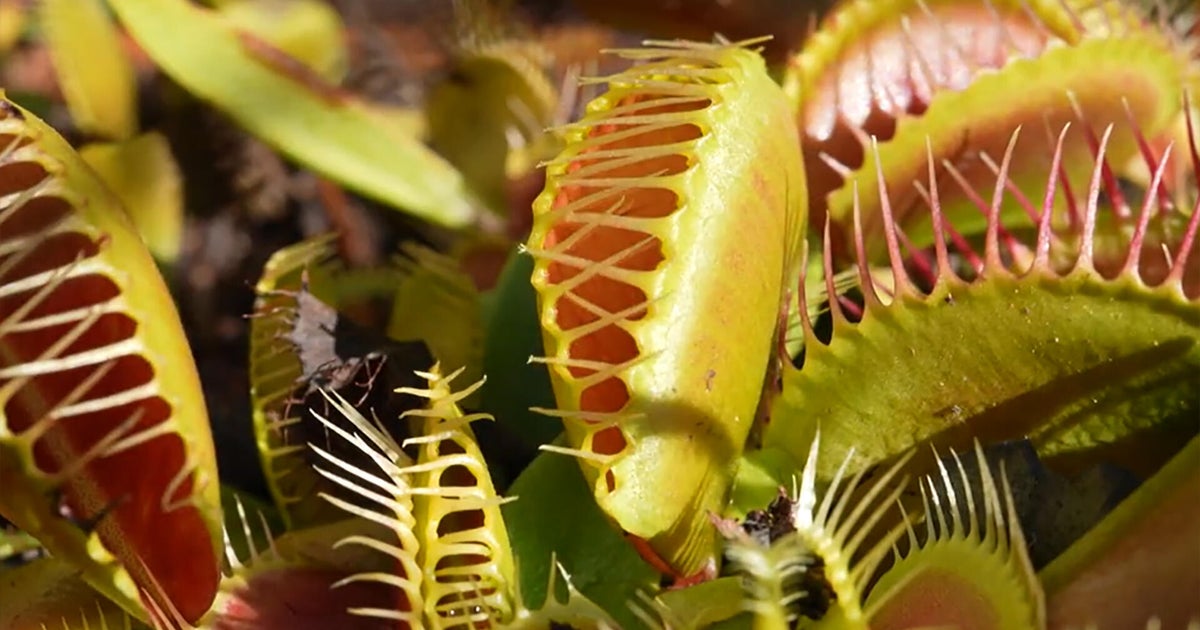
Venus fly traps are vanishing from the wild in North and South Carolina, the only places on Earth where they grow naturally. The carnivorous plants catch and digest insects in their snap-shut traps.
Botanist Julie Moore has spent much of her career trying to save these remarkable plants. She works alongside Damon Waitt, director of the North Carolina Botanical Garden, to protect what's left of the species.
The plants face a major problem: habitat loss. As people build homes and businesses in the Carolinas, the boggy areas where Venus fly traps live are disappearing. Charles Darwin once called these plants among the most remarkable species he studied.
Many people try to grow Venus fly traps at home after buying them from stores. But the plants need very specific conditions to survive. They require direct, unfiltered sunlight and distilled water. Regular tap water and indoor lighting usually kill them.
The conservation work focuses on protecting the wild areas where these plants still grow. Without these efforts, Venus fly traps could disappear from nature forever.
These plants exist nowhere else on Earth naturally. Once they're gone from the wild, future generations will only see them in labs and gardens. It shows how quickly we can lose unique species.
Conservationists continue protecting remaining wild habitats where Venus fly traps grow naturally.
Was this article helpful?
0 people found this helpful